Short Term Rentals
Pinellas Condo-Hotels: How Rental-Program Units Work
How condo-hotel and rental-program units work in Pinellas: pooled vs non-pooled programs, Fannie Mae and Freddie Mac loan limits, licenses and condo rules.
 Troy NowakReal Estate Broker · Mangrove Bay RealtyAirbnb Superhost · STR Specialist
Questions this page answers
- 1.What is a condo-hotel or rental-program unit?
- 2.How does a rental pool differ from renting the unit yourself?
- 3.Why do lenders treat condo-hotels differently?
- 4.Who holds the state license for a rental-program unit?
- 5.Can the condo association change the rental rules after you buy?
- 6.What taxes apply to guest stays in a condo-hotel unit?
- 7.What should you read before you buy a rental-program unit?
- 8.How does a condo-hotel compare with a regular condo you rent yourself?
…and 1 more section below.
How do condo-hotel units work for an investor in Pinellas County? Along the Gulf beaches you will see condo towers that run like hotels, with a front desk, a rental program and nightly guests. You own the unit by deed. A manager often rents it out for you under a contract. The short answer: you are buying real estate plus a rental contract, and the contract, the loan rules and the state license decide how the unit works. This guide walks through each piece using federal and Florida sources I checked this week.
I'm a broker and an Airbnb Superhost, and I own and manage short-term and furnished rentals. I live in downtown St. Petersburg.
What is a condo-hotel or rental-program unit?
A condo-hotel unit is a condo you own that sits in a building run much like a hotel. Guests check in at a desk, book by the night and get hotel-style services. Owners can use the unit, then place it in a rental program when they are away.
Fannie Mae's Selling Guide lists the services that mark a project like this. They include a registration desk, daily or short-term rentals, daily cleaning, central phones, central keys and limits on how owners decorate. The building may carry a hotel or resort name, be marketed as a hotel or an investment, or hold a hotel rating.
Florida law sorts these buildings by how the units are used. Under section 509.013, a place counts as transient lodging when guests rent it more than three times a year for less than 30 days in a row. It also counts when ads hold it out as a place regularly rented for less than 30 days. Section 509.242 then sorts lodging into types, such as hotel, transient apartment and vacation rental. A vacation rental can be a unit in a condo.
Two condos in towers that look alike can sit in different legal buckets. The label on the sign matters less than the documents and the license.
How does a rental pool differ from renting the unit yourself?
A rental pool shares income across many units. A rental you run yourself earns only what your own unit books.
The U.S. Securities and Exchange Commission described pools in a 1973 release. In a pool, the promoter combines the rents and expenses of the units. Each owner then gets a share of the net, even if their own unit sat empty.
The SEC said that offering a condo unit with a pool like this is an offer of an investment contract. That kind of offer must be registered unless an exemption applies. The release also flags two other setups. One is a condo sold on the promise of income from the promoter's work. The other is a contract that requires one exclusive rental agent or limits how long owners may stay in their own unit.
That does not make every rental program a security. A building can let owners pick any manager, or offer a program that owners can join or skip. The point for you as a buyer is to know which setup you are buying, because it changes what papers you should get and what the program can require of you.
Five ways a unit can be rented
- Pooled program: income and costs are shared across units, and you get a share of the net
- Non-pooled program: your unit earns what it books, less the manager's fee and costs
- Mandatory program: the documents require you to rent through the program or to use one agent
- Voluntary program: you can join, leave or hire your own manager
- Self-managed rental: you list and run the unit yourself, if the condo rules allow it
Why do lenders treat condo-hotels differently?
Fannie Mae and Freddie Mac both treat hotel-style condo projects as ineligible. That often takes a standard conventional loan off the table, so plan your financing early.
Each line below comes from Fannie Mae's list of ineligible project traits, updated November 4, 2026.
Condo traits that can make a project ineligible for a Fannie Mae loan
- The condo association is licensed as a hotel, motel, resort or hospitality business
- The legal papers limit when owners can live in their own units
- The legal papers require owners to join a rental pool or share profits with the association, a manager or a hotel
- The project is mainly transient, with hotel services such as a front desk and daily cleaning
- A voluntary pool or revenue share comes with limits on owner use, such as blackout dates
- A hotel or resort management company helps run the short-term rentals
- The project is a hotel conversion that was not fully rebuilt down to the shell
- More than 35% of the space is commercial, and a hotel counts as commercial space
Fannie Mae also lists warning signs that call for a closer look. These include a high share of investor or second-home owners, units without full kitchens, units under 400 square feet, ads with daily rates and doors that connect units inside.
Fannie Mae's project FAQ adds detail. Mainly transient means most units are used for rentals of less than 30 days. A project that meets that test is ineligible on that trait alone. For a project run by a hotel or resort company, Fannie Mae says the answer depends, and some may still qualify after more review. A resort name used only as a name may be acceptable after more review.
Freddie Mac's condo FAQ makes a related point. Finding short-term rentals listed online does not by itself make a project ineligible. The lender looks at whether the association or its management company sets up, gets income from, or pays costs for hotel services or short stays. When owners hire outside companies on their own, the project may still qualify.
I cover loan options in more depth in how to finance a short-term rental in Pinellas. For this guide, the key step is to ask a lender to review the condo project before you sign.
Who holds the state license for a rental-program unit?
Every public lodging place in Florida needs a state license, and the answer to who holds it depends on how the building is set up. Section 509.241 says each public lodging establishment must hold a license. Running one without a license is a second-degree misdemeanor, and the license cannot be moved to another place or person.
A condo association does not need a lodging license if it owns no units classed as vacation rentals or timeshares. The license then sits with the unit owner or with a licensed agent who manages the unit.
The Florida Department of Business and Professional Regulation (DBPR) offers a few license types for condo units:
- Single license: held by the owner or operator of the unit
- Group license: held by a licensed agent and covering all the units in one building or complex
- Collective license: held by a licensed agent and covering units at separate places, up to 75 units in one district
Under a group license, DBPR holds the licensed agent responsible for violations while a unit is listed under that agent. You can look up a building or unit in the DBPR vacation rental database before you buy. Ask the seller and the manager which license covers the unit and what happens to it if you leave the program.
Section 509.242 also has a threshold to know. If 25% or more of a building's units fall in a different lodging type, a separate license is needed for those units.
Can the condo association change the rental rules after you buy?
Yes, but Florida law limits how far a new rental rule reaches. Under section 718.110(13), a condo amendment that bans rentals, changes the rental term or limits how often owners may rent applies only to owners who vote for it. It also applies to anyone who takes title after it passes.
That cuts both ways for a buyer. If an owner was protected from a new rule, that protection does not pass to you when you buy. Read the current declaration, the bylaws and every amendment, and ask the association which rules apply to a new owner.
Cities and counties set their own rules too, within state limits. Under section 509.032(7)(b), a local law may not ban vacation rentals or limit how long or how often guests stay. Local laws passed on or before June 1, 2011, are the exception. Zoning still matters, and many Pinellas cities have their own programs. In unincorporated Pinellas, the county requires a short-term rental certificate of use. It applies to a unit rented for less than 30 days more than three times a year, condos included.
If you are looking at Clearwater Beach towers, my guide to which Clearwater condos and townhomes allow Airbnb compares building types. For each city's rules, start at the Pinellas short-term rental hub.
What taxes apply to guest stays in a condo-hotel unit?
Guest stays in a condo-hotel unit are taxed like other short stays in Florida. Section 212.03 places the state transient rental tax on rentals in hotels and condos alike. The tax does not apply to a tenant who lives in the unit for more than six months under a written lease.
County tourist taxes stack on top. A rental program may collect and file these taxes for you, or it may leave that to you. The rental agreement should say which, so ask before you sign. My guide to the cost to own a short-term rental in Pinellas lists the taxes and fees an owner carries.
What should you read before you buy a rental-program unit?
Read the condo papers and the rental agreement together, because they work as one deal. Use this list for any hotel-style condo.
Before you make an offer
- Declaration, bylaws, rules and every amendment, with the dates each one passed
- The rental management agreement, including the fee split, the term and how you exit
- Whether the program is pooled or non-pooled, and mandatory or voluntary
- Owner use limits, such as blackout dates or notice rules for your own stays
- Who holds the DBPR license, and what happens to it if you leave the program
- Whether a lender will review the project, and which loan types it can offer
- Any shared areas with a hotel in the same building, such as a lobby, pool or garage
Questions for the manager
- Who collects and files the state and county taxes on each booking?
- What costs come out of the rent before you are paid?
- Can you hire your own manager or list the unit yourself?
- What does the program require when you sell?
If the seller hands you offering papers that describe a pool, read them with your own lawyer. Those papers can set out rights and limits that the listing does not mention.
How does a condo-hotel compare with a regular condo you rent yourself?
A condo-hotel trades control for convenience. A regular condo that allows short stays gives you more control, but you take on more of the work.
Condo-hotel unit in a rental program
- A manager handles guests, cleaning and booking
- The program sets rates, rules and owner use limits
- Standard Fannie Mae and Freddie Mac loans are often not available
- Your income may depend on the program's results, not just your own unit
Regular condo that allows short stays
- You or a manager you choose runs the rental
- The condo rules set rental limits, and they can change for new owners
- A standard condo loan may be possible if the project qualifies
- Your income depends on your own unit's bookings
Neither one is right for every buyer. If you want a hands-off unit you can use a few weeks a year, a program may fit. If you want financing options and your own pricing, a regular condo may fit better.
Sources
- Fannie Mae Selling Guide: Section B4-2.1-03, Ineligible Projects (updated November 4, 2026)
- Fannie Mae: Project Standards FAQs
- Freddie Mac: Condominium Unit Mortgage FAQ
- U.S. Securities and Exchange Commission: Release 33-5347, condominiums and rental pools (1973)
- Florida Statutes: 509.013 definitions, 509.032 local rules on vacation rentals, 509.241 licenses, 509.242 lodging types, 718.110 condo amendments, 212.03 transient rentals tax
- Florida DBPR: vacation rental and timeshare guide
- Pinellas County: short-term rental certificate of use for unincorporated Pinellas
General real estate education only, not legal, tax, securities or financial advice. Lending rules, condo papers and local rules change. Confirm each point for the exact unit with the lender, the association and the office that sets the rule before you buy. Checked November 7, 2026.
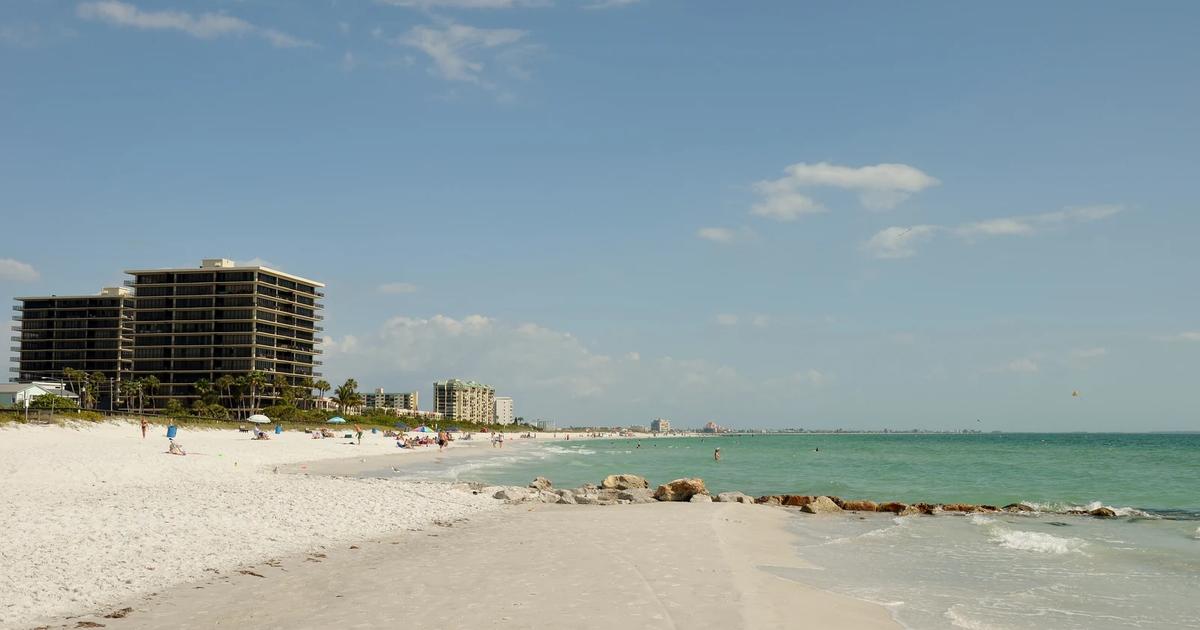
Cover photo: Sunset Beach, Treasure Island, Florida by Roman Eugeniusz, CC BY-SA 3.0, via Wikimedia Commons.

Keep exploring
Related: Short-term rentals
Top related pages in this topic, ranked by relevance and search demand.
Tampa vs St. Petersburg for a Short-Term Rental Investor
Tampa vs St. Pete for a short-term rental: zoning limits on short stays, Hillsborough's 2027 registration, 13% vs 13.5% rental tax and state license counts.
Open guidePinellas STR Zoning Map 2026 (Airbnb by City)
Interactive short-term rental zoning map for 25 Pinellas cities. Nightly vs 31+ day rules, taxes, and flood checks. Click a city before you offer.
Open guideSt. Pete Airbnb Rules (STR)
St. Petersburg short-term rental rules: city limits vs Pinellas, zoning checks, and Troy's video on what's allowed before you buy.
Open guideAnna Maria Island STR Guide
Manatee County, south of Pinellas: Anna Maria registration and Holmes Beach minimum stays (30-day, 7-day, or daily) before you buy or sell on the island.
Open guide