Short Term Rentals
Tampa vs St. Petersburg for a Short-Term Rental Investor
Tampa vs St. Pete for a short-term rental: zoning limits on short stays, Hillsborough's 2027 registration, 13% vs 13.5% rental tax and state license counts.
 Troy NowakReal Estate Broker · Mangrove Bay RealtyAirbnb Superhost · STR Specialist
Questions this page answers
- 1.How do Tampa and St. Pete compare at a glance?
- 2.Can you rent a St. Petersburg home by the night?
- 3.What are Tampa's rules for short-term rentals?
- 4.What changes in unincorporated Hillsborough in 2027?
- 5.How do rental taxes compare in Pinellas and Hillsborough?
- 6.What does state license data say about demand?
- 7.When does a monthly rental make more sense than a nightly one?
- 8.What should you confirm before you pick a side of the bay?
…and 1 more section below.
If you want to buy a short-term rental on Tampa Bay, should it be in Tampa or in St. Petersburg? Both cities sit in the same metro, but they sit in different counties with different rules and taxes. The short answer: both cities limit nightly rentals in their neighborhoods, so the zoning and condo rules of the exact property decide it, not the side of the bay. This guide compares the two using only city, county and state sources I checked this week.
How do Tampa and St. Pete compare at a glance?
Tampa and St. Pete both restrict short stays in homes, and they tax a booking at almost the same rate. The biggest gaps are in how each city words its limits and in how many licensed vacation rentals each county has. Use this checklist as a quick side-by-side.
St. Petersburg (Pinellas County)
- Homes in residential areas: stays under 30 days are allowed at most three times in any 365-day period
- More than that: the property must be a licensed hotel or motel, or sit in a Resort Facilities Overlay
- City rule dates from before June 1, 2011, so state law lets it stand
- Taxes on a booking: 6% state, 6% county tourist tax, 1% county surtax, for 13% total
- State vacation rental licenses with a Current status in Pinellas: 7,284
Tampa (Hillsborough County)
- No city rental certificate or rental registration since May 4, 2023, but city business tax is still due on rental property
- Single-family RS-60 zoning: a 2022 court opinion describes the code as barring rentals of fewer than seven days
- Unincorporated Hillsborough, outside the city: a $200 yearly county registration starts January 1, 2027
- Taxes on a booking: 6% state, 6% county tourist tax, 1.5% county surtax, for 13.5% total
- State vacation rental licenses with a Current status in Hillsborough: 1,266
Both sides of the bay
- A Florida vacation rental license from the state is needed for most rentals of a full unit
- Condo and HOA rules can be stricter than any city rule
- Each rule below links to the office that sets it
I'm a broker and an Airbnb Superhost, and I own and manage short-term and furnished rentals.
Can you rent a St. Petersburg home by the night?
Not as a regular business in most neighborhoods. St. Petersburg allows a residential property to be rented for less than 30 days only three times in any 365 days in a row.
The city's planning handout on transient uses spells this out. Short-term rentals beyond that limit must run as a licensed hotel or motel, or sit inside an approved Resort Facilities Overlay. The city does not have a separate "short-term rental" use in its land development rules. It treats nightly stays as a transient use, the same family of uses as hotels.
The overlay is slow to get. Per the city handout, no locations had the overlay yet when it was last updated in October 2023. Getting one means four to five public hearings, about six months and a $2,400 fee. Staff has only encouraged it for multifamily buildings where an association can manage it.
A rule this strict survives because of timing. Florida law bars local rules that ban vacation rentals or limit how long or how often they rent. That bar does not apply to rules adopted on or before June 1, 2011. The city says its rules are grandfathered under that date.
What this means for a St. Pete buyer:
- A house in a residential area works best as a monthly or seasonal rental, with stays of 30 days or more
- Nightly rentals fit buildings and areas zoned for transient use, like some hotel-condo buildings
- Always check the condo or HOA rules too, since many downtown buildings set their own minimum stay
For the zoning detail across the city and Gulfport, see where you can legally run a short-term rental in St. Petersburg and Gulfport.
What are Tampa's rules for short-term rentals?
Tampa has no city rental registration today, but its zoning code still limits short stays in single-family areas. The two facts point in different directions, so check both.
First, registration. The City of Tampa business tax page says the requirement to get a rental certificate or register a rental property was repealed effective May 4, 2023. It also says business taxes are still due for all residential and commercial rental properties. A Tampa owner pays the city business tax but does not file a separate rental registration.
Second, zoning. In a 2022 appeal, the Thirteenth Judicial Circuit reviewed a code case against a South Tampa home zoned RS-60. The home was rented for two nights to a visiting college team. The opinion says that in RS-60 zoning, the city code bars rentals of fewer than seven days. It also says the code bars renting to more than four unrelated people. The code defines a dwelling unit as one used for occupancy "on a weekly or longer basis." The court upheld the code violations but sent the fine back to be redone.
What this means for a Tampa buyer:
- A single-family home in RS-60 zoning should not be bought for stays shorter than seven days
- Check the zoning of the exact parcel with the city before you buy, since districts differ
- The court opinion is from 2022, so confirm the current code text with the city before you rely on it
What changes in unincorporated Hillsborough in 2027?
Owners outside Tampa's city limits, in unincorporated Hillsborough County, will need to register each rental with the county starting January 1, 2027. This does not apply inside the City of Tampa.
On September 2, 2026, the Hillsborough County Commission adopted the ordinance. According to the county's meeting recap:
- Owners must renew a $200 registration for each short-term vacation rental every year
- Owners must allow future inspections when Code Enforcement decides one is needed
- An owner who misses a scheduled inspection pays a no-show fee set by the Board
- The ordinance takes effect January 1, 2027, and the Board will review it after 90 days
The county's business impact estimate for the ordinance listed the expected no-show fee as $50. That estimate also says about 3,000 short-term vacation rentals operate in unincorporated Hillsborough. Keep that number in mind for the demand section below.
If you buy in places like Apollo Beach, Ruskin or Brandon, check whether the address is in a city or in unincorporated county. The answer decides which rules apply.
How do rental taxes compare in Pinellas and Hillsborough?
They are close. A booking in Pinellas carries 13% in taxes, and a booking in Hillsborough carries 13.5%.
Here is how each total breaks down, using Florida Department of Revenue rate tables:
Pinellas County: 13%
- 6% state sales tax on transient rentals
- 6% county tourist development tax
- 1% county discretionary sales surtax, set to expire December 31, 2029
Hillsborough County: 13.5%
- 6% state sales tax on transient rentals
- 6% county tourist development tax
- 1.5% county discretionary sales surtax
The state tax applies to rentals of six months or less. In both counties, the county tax collector runs the tourist tax, not the state. The Hillsborough County Tax Collector says owners, managers and operators collect the 6% from guests and send it to that office monthly. Payments are due on the 1st and late after the 20th.
The Pinellas County Tax Collector lists booking platforms that collect the tourist tax for you. Airbnb has collected it in Pinellas since December 1, 2015. If your platform does not collect it, you are responsible for it. In Hillsborough, ask the tax collector how your platform handles it before your first booking.
For the full Pinellas tax picture, see Pinellas County Airbnb taxes. For the full yearly cost sheet on this side of the bay, see what it costs to own a short-term rental in Pinellas.
What does state license data say about demand?
Pinellas has far more licensed vacation rentals than Hillsborough. State records show 7,284 current vacation rental licenses in Pinellas and 1,266 in Hillsborough.
The Florida Department of Business and Professional Regulation (DBPR) publishes its lodging license records as public files. I pulled the Tampa district file posted November 2, 2026. I counted licenses in the two vacation rental classes, resort condominium and resort dwelling, with a status of Current.
Pinellas County: 7,284 current vacation rental licenses
- 3,996 resort condominium licenses
- 3,288 resort dwelling licenses, mostly houses
- Top cities by address: St. Petersburg with 1,492 (adding its three spellings in the file) and Indian Rocks Beach with 1,349
Hillsborough County: 1,266 current vacation rental licenses
- 215 resort condominium licenses
- 1,051 resort dwelling licenses
- 919 list Tampa as the city in the address, though a Tampa mailing city can fall outside city limits
A license count is not a measure of nightly rates or how often homes are booked. It shows where owners have set up legal vacation rentals with the state. The city in the address is a mailing city, so it may not match city limits.
The Hillsborough count also looks low next to the county's own figure. The county estimates about 3,000 short-term rentals in unincorporated Hillsborough alone. That is more than twice the state license count for the whole county. The new county registration may bring more of those rentals into the records.
Tourist tax collections are another demand signal, though they include hotels too. The Pinellas County Tax Collector posts a comparative report by month. For October 2025 through July 2026, it shows about $88.5 million in gross tourist tax. The report lists the change from the year before as 8.53%.
When does a monthly rental make more sense than a nightly one?
When the property sits in a St. Pete residential area or a Tampa single-family district. In both places, longer stays avoid the limits above.
St. Pete's limit applies to stays under 30 days. Tampa's RS-60 limit applies to stays under seven days. Furnished stays of a month or more work on both sides. Traveling nurses, snowbirds, people between homes and insurance stays all fit that model.
Here is the tradeoff to weigh. Nightly guests pay more per night but need more turnover, more cleaning and more upkeep. Monthly guests pay less per night but stay longer, with fewer gaps. Run the numbers both ways for the property you are looking at.
Keep in mind that a stay of six months or less is still a taxable transient rental in both counties. A 30-day stay does not escape the 13% or 13.5% in taxes.
What should you confirm before you pick a side of the bay?
Confirm the zoning, the condo or HOA rules, the license and the tax accounts for the exact address. City-wide answers are not enough.
Rules
- Is the address inside a city, or in unincorporated county?
- What is the zoning, and what minimum stay does it allow?
- Do the condo or HOA documents set a minimum stay, a cap on rentals or a waiting period?
- Is there a city or county registration, and what does it cost each year?
Licenses and taxes
- Does the unit need a DBPR vacation rental license?
- Is there a county tourist tax account, or does your platform collect for you?
- Is a city business tax receipt due?
Numbers
- What would the property earn as a monthly rental if nightly stays are not allowed?
- What do taxes, insurance and dues cost each year?
On the Pinellas side, rules change from city to city. Start with the Pinellas short-term rental hub, which links to each city's rules. If the address is outside city limits, see unincorporated Pinellas County Airbnb rules.
Sources
- City of St. Petersburg: Transient Accommodation Uses handout (updated October 16, 2023)
- City of Tampa: business tax, how do I
- Thirteenth Judicial Circuit: Super Host, LLC v. City of Tampa, appellate opinion
- Hillsborough County: Board meeting recap for September 2, 2026, business impact estimate for the short-term vacation rental ordinance
- Hillsborough County Tax Collector: tourist development tax overview
- Pinellas County Tax Collector: tourist development taxes
- Florida Statutes: 212.03 transient rentals tax, 509.032 local rules on vacation rentals
- Florida Department of Revenue: Form DR-15TDT tourist development tax rates, Form DR-15DSS surtax rates for 2026
- Florida DBPR: vacation rental guide, lodging public records
General real estate education only, not legal, tax or financial advice. Zoning, fees and tax rates change. Confirm each rule for the exact address with the office that sets it before you buy. Checked November 4, 2026.
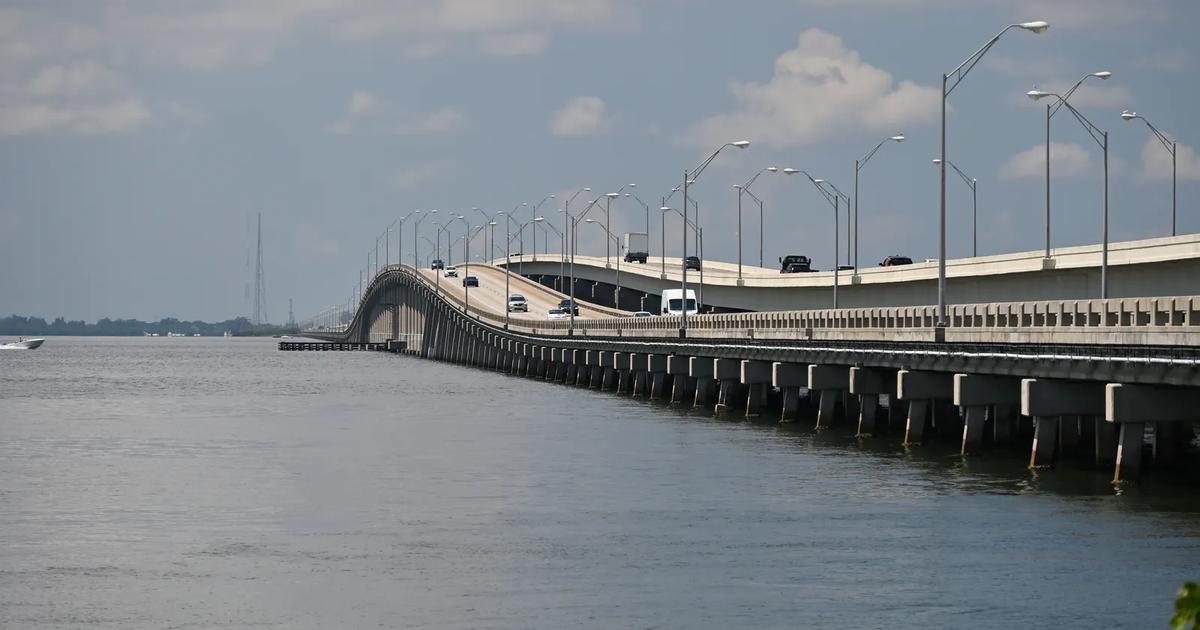
Cover photo: Gandy Bridge from Gandy Park South 01 by Andrew Heneen, CC BY 4.0, via Wikimedia Commons.

Keep exploring
Related: Short-term rentals
Top related pages in this topic, ranked by relevance and search demand.
Pinellas STR Zoning Map 2026 (Airbnb by City)
Interactive short-term rental zoning map for 25 Pinellas cities. Nightly vs 31+ day rules, taxes, and flood checks. Click a city before you offer.
Open guideDunedin STR Guide: Zoning and Registration
Dunedin counts stays under 90 days as transient. Nightly rentals work only in certain zoning districts, with a $200 annual city registration.
Open guideSt. Pete Airbnb Rules (STR)
St. Petersburg short-term rental rules: city limits vs Pinellas, zoning checks, and Troy's video on what's allowed before you buy.
Open guideAnna Maria Island STR Guide
Manatee County, south of Pinellas: Anna Maria registration and Holmes Beach minimum stays (30-day, 7-day, or daily) before you buy or sell on the island.
Open guide