Due Diligence
What It Really Costs to Own a Pinellas Short-Term Rental
A yearly cost sheet for owning a Pinellas short-term rental, built from official fees only: state license, county and city fees, the 13% rental tax, property tax and Airbnb fees.
 Troy NowakReal Estate Broker · Mangrove Bay RealtyAirbnb Superhost · STR Specialist
Questions this page answers
- 1.What goes on a yearly cost sheet for a Pinellas short-term rental?
- 2.What does the Florida vacation rental license cost?
- 3.What do the county and cities charge?
- 4.Who pays the 13% in rental taxes?
- 5.How does property tax change when a home becomes a rental?
- 6.Do you owe tax on the furniture?
- 7.What fees do booking platforms take?
- 8.Which costs have no official number?
…and 2 more sections below.
What does it really cost each year to own a short-term rental in Pinellas County? Below is a cost sheet built only from fees that a government office or booking platform publishes. The short answer: in the three places below that publish fees, the yearly government fees after the first year add up to less than $1,000 for one home. Property tax, insurance and running costs depend on the home, and no official source can price those for you. The costs that change from home to home are listed as line items you fill in yourself.
What goes on a yearly cost sheet for a Pinellas short-term rental?
A full cost sheet has three parts: fixed government fees, taxes, and running costs. Only the first two have official numbers. Use this checklist as your worksheet.
Government fees (official numbers below)
- Florida vacation rental license from DBPR
- County Certificate of Use, if the home is in unincorporated Pinellas
- City registration, inspection and business tax receipt, if the city charges them
- LLC annual report, if an LLC owns the home
Taxes
- 13% in rental taxes on each stay, charged to the guest and sent to the state and county
- Yearly property tax on the home
- Yearly tax on furniture and appliances, unless it is fully exempt
Running costs (no official number, so you fill these in)
- Insurance: homeowners or rental dwelling, wind, flood and liability
- Condo or HOA dues and any special assessments
- Utilities, internet and streaming
- Cleaning, laundry and guest supplies
- Repairs, upkeep, pool and pest service
- Booking platform fees
- Property manager, if you hire one
- Software, smart locks and cameras
- A reserve for big repairs
I'm a broker and an Airbnb Superhost, and I own and manage short-term and furnished rentals. Each fee below links to the office that sets it, so you can check it yourself.
What does the Florida vacation rental license cost?
For one home, the first year costs $230 and each renewal after that costs $180. The Florida Department of Business and Professional Regulation (DBPR) licenses vacation rentals.
Here is how DBPR's fee guide adds up for a single unit:
- $50 application fee, for new licenses and changes of ownership
- $10 Hospitality Education Program fee, paid every year and never prorated
- $170 license fee for a full year, or $90 if you apply in the second half of the license year
- Renewal is the $10 fee plus the full year license fee
A license for two to 25 units costs $180 for a full year. A collective license costs $150 plus $10 for each unit.
Pinellas sits in DBPR's Tampa district. The license year renews on February 1, and the half-year fee starts August 1. A new owner who applies in late summer pays less for that first stub year.
When do you need the license? DBPR says you need it if you rent the whole unit more than three times in a calendar year for less than 30 days or one calendar month. You also need it if you advertise the unit as one that is often rented to guests. A typical whole home Airbnb or Vrbo listing falls inside that line.
What do the county and cities charge?
It depends on where the home sits. Unincorporated Pinellas charges a $450 yearly Certificate of Use fee, Indian Rocks Beach charges $600 a year to register, and Largo charges $100 for a yearly fire inspection. Other cities set their own rules and may not post fees on their website, so ask the city before you buy.
Unincorporated Pinellas County. The county requires a Certificate of Use for short-term rentals outside city limits. Its fees are:
- $450 Certificate of Use fee for the first year, paid as $250 when you apply and $200 after you pass inspection
- $150 initial inspection, plus $100 if you fail and need a re-inspection
- $450 renewal each year after that
- A $100 re-inspection that the county requires every two years
- The county says all fees are non-refundable
That puts the first year at $600 if you pass on the first try. After that, plan on $450 a year, plus $100 in the years a re-inspection is due. For the full rules on who needs one, see our unincorporated Pinellas guide.
Indian Rocks Beach. The city set new fees in Resolution 2026-16, adopted September 8, 2026, and in effect October 1, 2026. Per unit, the city lists:
- $600 new vacation rental registration and $26.25 for a new business tax receipt
- $600 renewal registration and $10.50 for a renewal business tax receipt
- $200 extra if you renew late
- $150 inspection and $75 re-inspection
Largo. The city requires two inspections, one by Community Standards and one by the fire department. The fire safety inspection costs $100 under the city's fee ordinance. Largo says it must be done every year under the Florida Fire Code.
Other cities. St. Petersburg, Clearwater, St. Pete Beach, Treasure Island, Madeira Beach and the rest each set their own short-term rental rules. Some also charge a business tax receipt. We did not list fees we could not confirm on an official city page today. To find your city's rules first, start at the Pinellas short-term rental hub.
Who pays the 13% in rental taxes?
The guest pays it, but you are responsible for making sure it is collected and paid. Stays of six months or less in Pinellas carry three taxes:
- 6% state sales tax on transient rentals, under Florida Statute 212.03
- 1% Pinellas County surtax, which the Florida Department of Revenue lists as running through December 31, 2029
- 6% Pinellas tourist development tax, which the county collects itself
That is 13% on top of the rent. Florida law says the tax is added to the rent and charged to the guest. It should not come out of your pocket if it is set up right.
The Pinellas Tax Collector says Airbnb has collected the county tax since December 1, 2015, and Vrbo since October 1, 2018. It also says the owner is liable if the agent or platform fails to collect. If you take any direct bookings, you have to collect and file those taxes yourself. The county also wants you to register a tourist tax account if you collect rent for stays of six months or less.
Budget for your own time or a bookkeeper to handle those filings. For the filing steps, see our Pinellas Airbnb tax guide.
How does property tax change when a home becomes a rental?
A rental pays tax as a non-homestead home, so it loses the homestead exemption and the cap of 3% or CPI, if lower, that protects a home you live in.
Three rules matter most:
- Homestead ends. The Pinellas County Property Appraiser says you no longer qualify for your exemption if the property has been rented. If you buy from someone who had a homestead, their exemption is removed at the end of that year.
- Value resets. Under Florida Statute 193.1554, a non-homestead home's assessed value goes back to full just value on January 1 after a change of ownership.
- A 10% cap follows. After the reset, the same law caps yearly increases in assessed value at 10%. That cap does not cover school taxes.
The seller's tax bill is a poor guide to your future bill. Ask your agent or the Property Appraiser to estimate the tax at your purchase price, not the seller's assessed value.
Do you owe tax on the furniture?
Yes, if you rent the home, you must file a yearly return for the furniture and appliances. If you file by April 1, up to $25,000 of their assessed value is exempt.
The Pinellas County Property Appraiser says owners who lease or rent property must file a tangible personal property return. The state form, DR-405, has a line for rental units that covers the stove, refrigerator, furniture, drapes and appliances.
What it costs you:
- File by April 1 and you get an exemption of up to $25,000 of assessed value, under Florida Statute 196.183
- Miss the deadline and the exemption does not apply that year
- You can ask the Property Appraiser for a 30-day extension by March 31
- If your value stays at $25,000 or less and the office mails you a renewal postcard, you may not need to file again
If your furniture and appliances are assessed at $25,000 or less, filing on time can bring the tax to zero.
What fees do booking platforms take?
Airbnb takes about 15.5% of each booking from most hosts under its single fee. Airbnb's help center lists two fee setups:
- Single fee: The whole fee comes out of your payout. Most hosts pay 15.5%, and the rest typically pay 14% to 16%. Airbnb says this setup is required for hosts who use property management software.
- Split fee: Most hosts pay 3%, and guests pay a fee that can reach 16.5% of the booking subtotal.
Airbnb says it is moving all home hosts to the single fee and phasing out the split fee. Once you switch, you cannot switch back. For a yearly budget, plan on the single fee. Other platforms set their own fees, so check each one you list on.
Which costs have no official number?
Insurance, dues, utilities, cleaning, repairs and management depend on your home and how you run it. No public office sets them, so we do not guess at them here. Get real quotes and real bills before you buy.
Insurance. Price homeowners or rental dwelling coverage, wind and liability for short-term use. Flood insurance is separate. If you buy a federal flood policy, FloodSmart lists a $250 yearly surcharge for any home that is not a primary residence, versus $25 for a primary home. It also lists a $47 Federal Policy Fee for most policies. Those sit on top of the premium. For flood zones and what they mean for a rental budget, see our Pinellas flood zone guide.
Condo or HOA dues. Ask for the budget, the reserve study and any special assessments that are coming. Ask the seller for the last 12 months of these:
- Electric, water, sewer and trash bills
- Internet and streaming bills
- Cleaning and laundry invoices
- Pool, lawn and pest service invoices
- Repair records and manager statements
Management. If you hire a manager, get the fee and what it covers in writing. Ask who files the taxes and who answers guest calls at night.
Reserves. Set money aside for roofs, AC units, water heaters and furniture you will replace.
What changes if an LLC owns the rental?
You add one state filing each year. Florida's Division of Corporations charges $138.75 for an LLC annual report. If you file after May 1, a $400 late fee applies.
The license, county certificate and tax accounts should all be in the LLC's name. Whether an LLC makes sense for you is a question for your attorney and CPA. For how out-of-state owners set this up, see our guide to buying a Florida short-term rental from out of state.
Sources
- Florida DBPR: vacation rental guide, lodging fees
- Florida Statutes: 212.03 transient rentals tax, 193.155 homestead assessment cap, 193.1554 non-homestead assessment cap, 196.183 tangible personal property exemption
- Florida Department of Revenue: Form DR-15TDT tourist development tax rates, Form DR-15DSS surtax rates for 2026
- Pinellas County: short-term rental program and fees, Certificate of Use FAQs, Tax Collector tourist development tax
- Pinellas County Property Appraiser: homestead exemption, tangible personal property, Form DR-405 for 2026, TPP filing extension
- Cities: Indian Rocks Beach vacation rental information, Largo short-term rentals
- Florida Division of Corporations: annual report
- FEMA FloodSmart: what affects flood insurance premiums
- Airbnb Help Center: service fees
General real estate education only, not legal, tax or financial advice. Fees, tax rates and local rules change. Confirm each number with the office that sets it before you buy. Checked November 3, 2026.
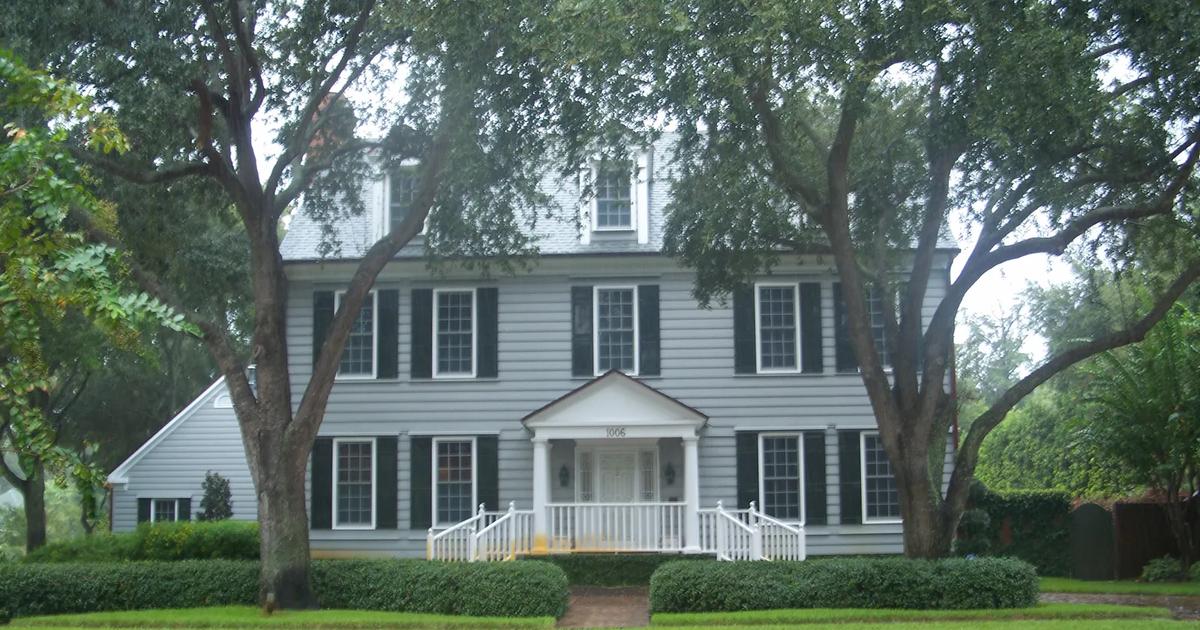
Cover photo: Clearwater Harbor Oaks Res Dist03 by Ebyabe, CC BY 2.5, via Wikimedia Commons.

Keep exploring
Related: Short-term rentals
Top related pages in this topic, ranked by relevance and search demand.
Buying a Florida Short-Term Rental From Out of State
How out-of-state buyers own a Pinellas short-term rental: your name or an LLC, Florida LLC filings, whose name goes on the license and tax accounts, remote closing and wire safety.
Open guideHow to Finance a Short-Term Rental in Pinellas County
Conventional, second-home, DSCR and cash: how each loan treats Airbnb income, why some Pinellas beach condos cannot get a regular loan, and what to line up before you offer.
Open guidePinellas County Flood Zones: The Complete Guide for Rental Buyers
Check these before you buy a Pinellas rental: the FEMA flood zone, a quote for your rental use, the elevation certificate, the 49% rule and the evacuation zone.
Read articleBuying a Tampa Bay Home: Deferred Maintenance Checklist
Screen roof age, HVAC, plumbing, pool, and wind mitigation before you buy a Tampa Bay Airbnb. See how Florida insurance treats an older roof.
Read article