Back to the journal
Real Estate NewsUpdated

Is Clearwater, Florida a Good Place to Live in 2026?

Troy Nowak
Published: June 27, 2026·Updated: August 27, 2026
24 min read
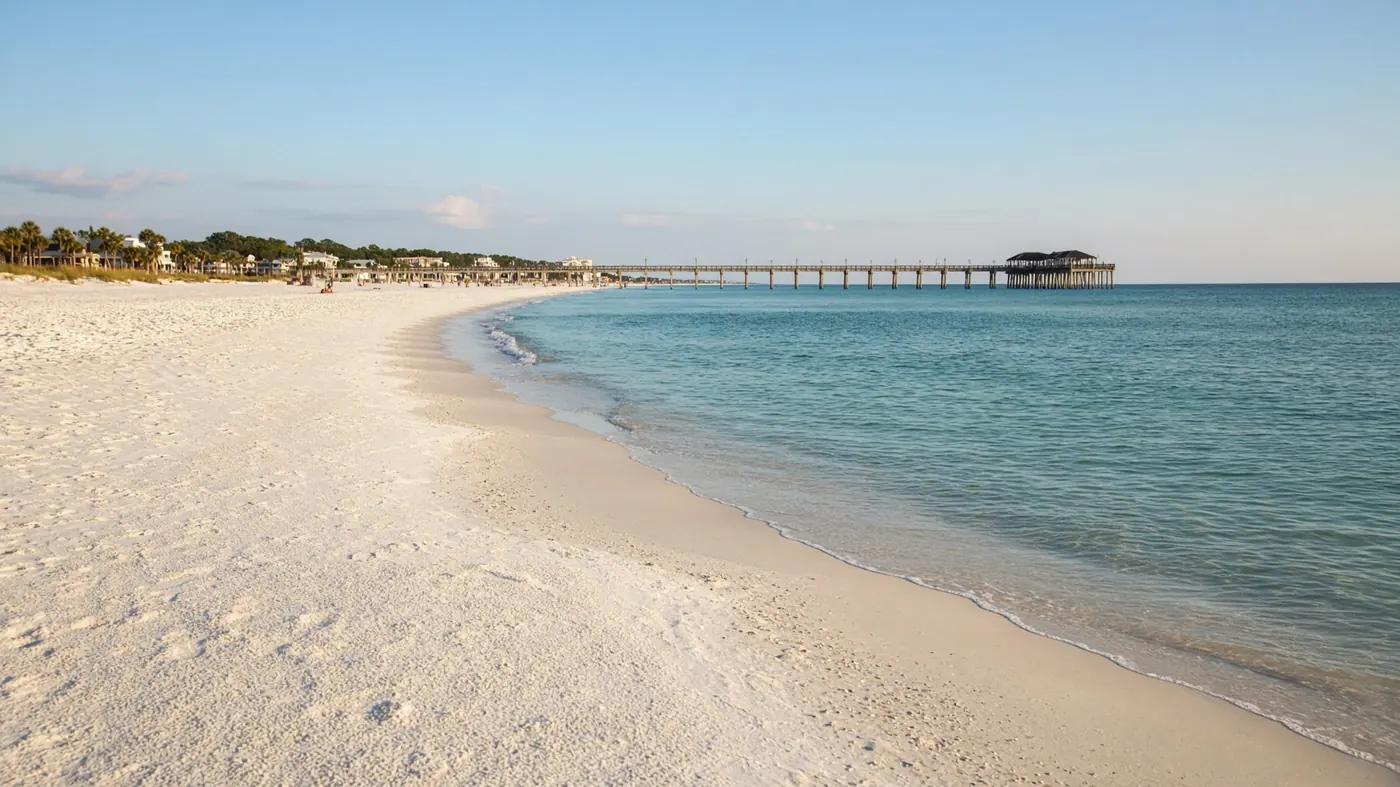
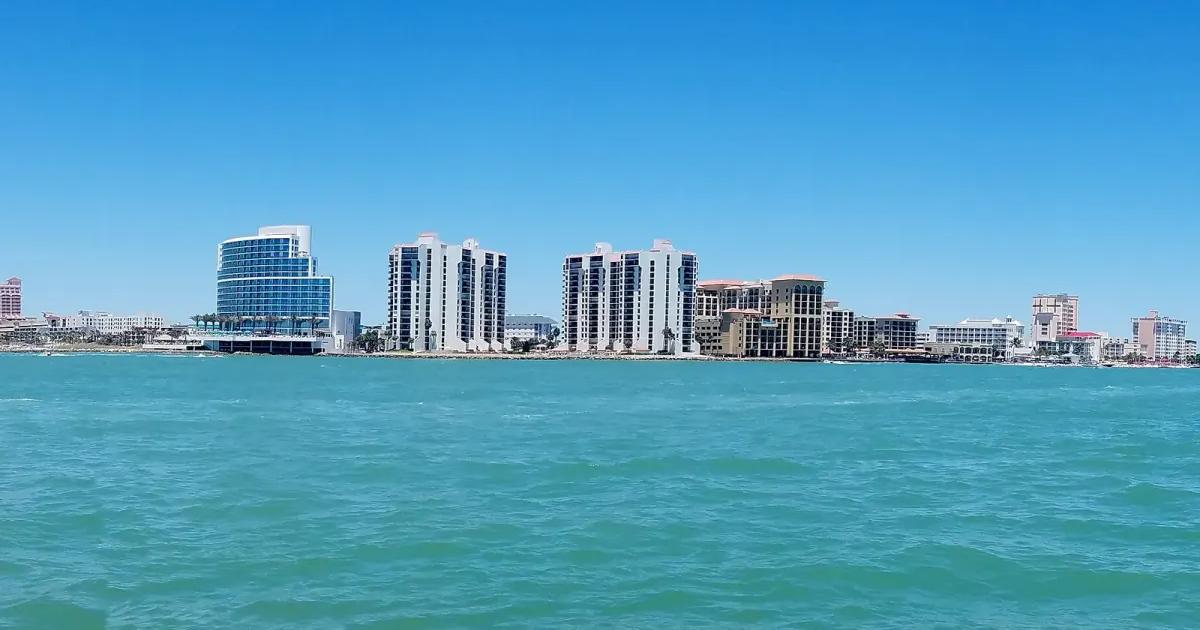
Clearwater Florida waterfront and residential skyline for a 2026 home buyer pros and cons guide

Is Clearwater, FL a good place to live in 2026? Compare home prices, flood and insurance costs, traffic, beaches, neighborhoods and nearby Pinellas options.

Last Updated: August 27, 2026

Yes, but: Clearwater can be a very good place to live if you want Gulf access, mild winters, a central Pinellas County location, and a wide choice between mainland single-family homes, townhomes, condos, and waterfront property. It may be a weaker fit if you need a predictable daily commute across Tampa Bay, dislike tourist traffic, or want to minimize the extra due diligence that Florida flood exposure, insurance, and older condominium buildings can require.

The biggest mistake is treating "Clearwater" as one housing market. Clearwater Beach, Sand Key, Island Estates, downtown Clearwater, and mainland residential neighborhoods can have very different purchase prices, flood exposure, insurance costs, association fees, and day-to-day lifestyles. Nearby Dunedin, Safety Harbor, Largo, or St. Petersburg may fit your priorities better even when your original search starts in Clearwater.

If you are deciding where to buy: tell me your budget and what you want from Clearwater. Share your house-versus-condo preference, commute, beach priority, and comfort level with flood and insurance exposure. I will narrow the areas and properties I would actually consider, and tell you what I would rule out.

Clearwater pros and cons at a glance

What works wellWhat deserves a harder look
Gulf beaches and year-round outdoor accessHurricane, wind, and flood exposure vary sharply by address
Central Pinellas location between north Pinellas, St. Pete, and Tampa Bay job centersClearwater Beach traffic depends on a limited number of causeway routes
More housing variety than the beach-only image suggestsCondo fees, reserves, master insurance, and special assessments can change affordability
Mainland options can cost materially less than Clearwater BeachMany mainland areas remain car-oriented
Downtown waterfront amenities, parks, and eventsSummer heat, humidity, thunderstorms, and storm preparation are part of ownership
Ability to compare beach, waterfront, downtown, and inland lifestyles within one cityProperty-specific insurance quotes matter more than statewide averages

For a transaction-focused checklist after you decide Clearwater fits, use our Clearwater Home Buying Guide 2026. This article answers the earlier question: should Clearwater be on your shortlist at all?

Aerial view of Clearwater Beach and the Memorial Causeway connecting the beach to mainland Clearwater

Clearwater Beach vs. mainland Clearwater: not one housing market

Clearwater Beach is the version most people know from vacation photos, but most Clearwater residents do not live directly on the barrier island. A buyer who wants to walk to the Gulf is shopping a different product from someone who wants a mainland yard, shorter trip to US 19, or lower association costs.

AreaWhat you are really buyingMain ownership tradeoffs
Clearwater BeachGulf access, walk-to-beach lifestyle, resort energy, condos plus limited single-family inventoryHigher price basis, tourism, causeway traffic, flood and wind exposure, condo fees
Sand KeyMore residential-feeling coastal condo and waterfront living south of the main beach districtPremium coastal pricing, association costs, flood and insurance diligence
Island EstatesWaterfront homes and condos with boating access between mainland and the beachFlood exposure, dock/seawall questions on applicable properties, condo-document review
Downtown / Coachman Park areaWaterfront park, events, civic core, selected condo and residential optionsBlock-level walkability varies; this is not the same lifestyle as living on Clearwater Beach
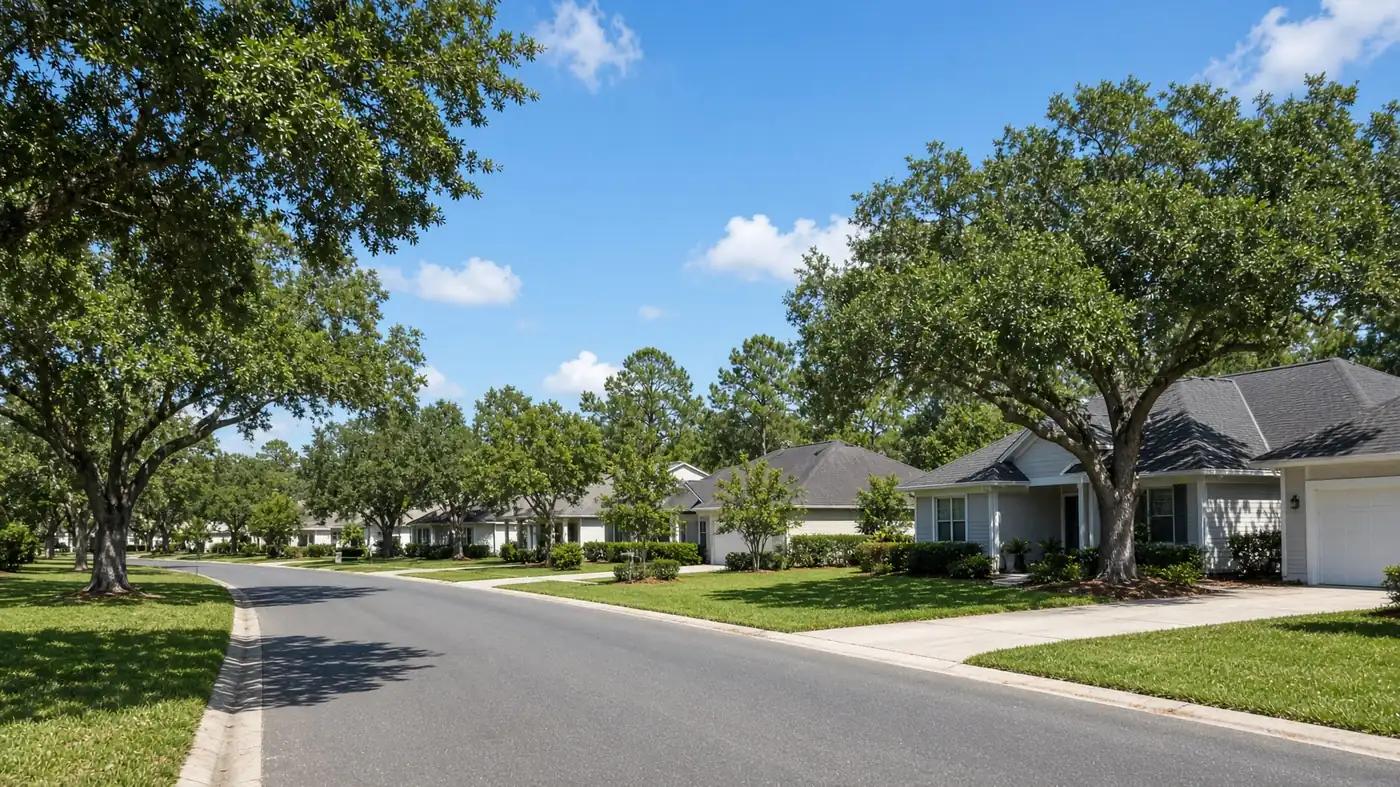
Mainland ClearwaterBroader mix of single-family homes, townhomes, condos, yards, and older residential stockLess walk-to-beach convenience, more car dependence, roof/electrical/plumbing/insurance condition varies house by house

The practical point is simple: do not compare a mainland house to a Clearwater Beach condo using list price alone. The monthly cost stack and the lifestyle are different.

If your priority is the barrier island itself, also read our Clearwater Beach real estate 2026 market analysis. If you are still comparing the whole county, the Moving to Pinellas County guide gives you a wider frame.

What does it cost to buy in Clearwater in 2026?

There is no single honest Clearwater price number because public market trackers use different methodologies and Clearwater contains very different property types.

As of late July 2026, Zillow reported a Clearwater typical home value around $346,000 and a June median sale price around $356,000. Redfin's three-month Clearwater measure ending in June was roughly $412,000. Those figures do not contradict each other as much as they appear to: the calculation method, time window, and mix of condos versus houses can move the result substantially.

Clearwater Beach is a separate price tier. Redfin's three-month median through June 2026 was roughly $763,000, with a materially longer market time than many peak-cycle buyers were used to.

Use those figures as context, not as a valuation for a specific property. For a real offer, I would compare the exact property type, location, flood exposure, condition, association costs, and recent comparable sales.

Public market references: Zillow Clearwater market data and Redfin Clearwater Beach housing market.

Rough 2026 budget bands: what different budgets may buy

These are search bands, not promises. Active inventory changes every week, and a low list price can be offset by association fees, deferred maintenance, or insurance.

Approximate budgetWhat I would expect to screen first
Under $300KCondos, smaller or older units, and selected townhome or house opportunities. Association costs and condition matter a lot.
$300K-$450KMore mainland condos and townhomes, plus portions of Clearwater's older or smaller single-family inventory.
$450K-$650KBroader mainland single-family choices, renovated homes, and selected premium-location or condo options.
$650K-$900KMore waterfront-oriented choices, Island Estates, and beach/Sand Key condo opportunities, with greater insurance and association diligence.
$900K+Premium waterfront, beach, Sand Key, and luxury inventory. Property type and location create a very wide range.

A buyer with a $450,000 ceiling and a strong preference for a detached home may end up with a completely different Clearwater shortlist than a buyer with the same budget who is comfortable with a condo and $700 or $900 per month in association costs. That is why I ask for the monthly comfort number, not only the purchase-price ceiling.

What your mortgage calculator does not show

The most important Clearwater ownership costs often live outside the principal-and-interest line.

Property taxes after purchase

Do not assume the seller's current property-tax bill becomes yours. Florida assessment rules, exemptions, purchase price, and homestead treatment can change the post-purchase tax picture.

Pinellas County's Property Appraiser provides a property-tax estimator for prospective buyers. Use the anticipated purchase price and your own assumptions rather than copying the tax figure from the listing.

Homeowners, wind, and flood insurance

Standard homeowners insurance generally does not cover flooding. Coastal wind exposure, roof age, opening protection, electrical systems, occupancy, claims history, and the specific insurer can all change the quote.

For a serious Clearwater property, I want a buyer to ask for:

  1. A property-specific homeowners quote.
  2. The applicable wind or hurricane coverage and deductible structure.
  3. A flood quote when required or prudent.
  4. Wind-mitigation and 4-point information when the age or insurer makes those relevant.
  5. Confirmation that the quote reflects the intended use: primary home, second home, or rental.

Florida's Department of Financial Services maintains consumer hurricane and homeowners insurance guidance. If Citizens is part of your quote stack, review its current flood-insurance requirements because the phase-in rules can depend on policy type, flood zone, and Coverage A.

Do not use a statewide "average premium" to decide whether a Clearwater house is affordable. The only number that matters to your offer is a quote for that address and that coverage.

HOA and condo fees

A $330,000 condo with a high monthly fee can cost more to carry than a higher-priced house. The fee can include items you would otherwise pay separately, such as building insurance, exterior maintenance, landscaping, amenities, water, or reserves, so the correct comparison is not "HOA versus no HOA." It is total monthly cost plus future capital risk.

Ask what the fee covers, how often it has increased, what the current budget assumes, and whether another increase is already approved or being discussed.

Maintenance on single-family homes

No HOA does not mean no shared-cost problem. A house owner is directly responsible for the roof, HVAC, plumbing, electrical, exterior, drainage, pest control, landscaping, and pool equipment where applicable.

Waterfront houses can add seawall, dock, lift, and salt-air maintenance. Older mainland houses can trade a lower purchase price for more near-term systems work. The inspection and insurance quote should feed the same ownership budget.

Clearwater condo vs. single-family home

Neither property type is automatically cheaper or safer. The question is where you want the maintenance and capital risk to sit.

CondoSingle-family home
Exterior and common elements are usually association-managedOwner controls and pays for the structure and lot directly
Monthly dues can bundle insurance, amenities, reserves, and maintenanceNo condo master-policy pass-through, but roof/exterior costs are yours
Building reserves and special assessments matterPersonal capital reserve for roof, HVAC, plumbing, electrical, and exterior matters
Rental, pet, parking, renovation, and use rules can be restrictiveMore control, subject to zoning, deed restrictions, and any HOA
Milestone inspection and reserve-study rules may apply to qualifying buildingsBuilding-level condo statutes generally do not apply
Lock-and-leave convenience can be valuableYard, parking, privacy, and direct control can be more valuable

What I would review before buying a Clearwater condo

For a condominium, the unit inspection is only half the diligence. The association can change your monthly cost and resale options.

Review, as applicable:

  • Current association budget and monthly dues
  • Reserve balances and reserve funding
  • Structural Integrity Reserve Study (SIRS) status
  • Milestone inspection status
  • Pending or approved special assessments
  • Association/master insurance and major deductibles
  • Recent board and membership meeting minutes
  • Planned concrete, roof, elevator, waterproofing, seawall, or mechanical work
  • Rental, pet, parking, guest, and renovation restrictions
  • Pending litigation or financing/insurance issues disclosed in the association materials
  • Any buyer-approval or application requirements

Florida DBPR's Condominium and Cooperative resources explain that qualifying buildings of three or more habitable stories can be subject to milestone-inspection requirements. A Structural Integrity Reserve Study is a separate requirement. Building age, local enforcement, and the specific statutory criteria matter, so do not assume every Clearwater condo has the same inspection schedule.

If the building's reserves are insufficient for required work, the solution can involve higher dues, a special assessment, borrowing, or another funding plan. That is why a discounted condo price can be either an opportunity or a transfer of future cost.

Flood zones, evacuation zones, insurance, and hurricane exposure

Pinellas County makes an important distinction that buyers should understand before looking at a map: a FEMA flood zone, an evacuation zone, and a storm-surge map are not the same thing.

  • A FEMA flood zone is used for mapped flood risk, floodplain management, and many insurance/lending decisions.
  • An evacuation zone is used for hurricane evacuation planning.
  • A storm-surge map models coastal surge exposure from hurricanes.

A property can be in a lower mapped FEMA flood-risk zone and still have storm-surge or drainage exposure. A property can also sit outside a mandatory evacuation zone and still have flood considerations.

Pinellas County's Flood Maps & Zones page and the City of Clearwater's Flood Zones & Elevations are better starting points than an MLS shorthand. Confirm the effective map at the FEMA Map Service Center.

Flood zone, evacuation zone, and storm surge are separate buyer checks in Pinellas County

This graphic is a buyer explainer, not an official flood map. Use the linked government sources for an exact property.

A 2026 Clearwater map issue worth checking

FEMA has released preliminary mapping for the Alligator Creek Watershed, which includes parts of Clearwater, Safety Harbor, and unincorporated Pinellas County. Pinellas County says the formal 90-day appeal and comment period runs from August 19 through November 17, 2026.

The currently effective FEMA map remains the regulatory baseline until a new map becomes effective, but a buyer in the affected watershed should understand the preliminary change before closing. See the official Pinellas Alligator Creek Watershed update and our 2026 Pinellas flood-zone buyer guide.

Major renovation in a mapped flood hazard area

Older or lower properties in mapped flood-hazard areas can be subject to locally administered substantial-improvement or substantial-damage requirements when renovation or repair scope reaches the applicable threshold.

I am deliberately not giving you a universal percentage here. Current Clearwater materials use wording that should be confirmed against the rule that applies to the exact parcel and permit scope. If a purchase only works because you plan a major renovation, ask the City of Clearwater floodplain/building staff how the current rule applies before finalizing the construction budget.

My insurance and flood checklist before the due-diligence deadline

  • Confirm the exact FEMA flood zone and evacuation zone.
  • Look for an Elevation Certificate where relevant.
  • Ask about known prior flooding and review the legally available disclosure/claim information.
  • Obtain real homeowners, wind, and flood quotes for the intended occupancy.
  • Review roof age, opening protection, electrical, plumbing, and HVAC information that may affect underwriting.
  • On condos, review the master flood/wind coverage and deductibles alongside your unit-level coverage.
  • If renovating, confirm local floodplain rules before relying on the remodel budget.

Already looking at a Clearwater property? Send me the address. I can help you organize the flood, insurance, condo/HOA, and resale questions that need answers before you get serious. You can also start with our Pinellas flood-zone resource hub.

Clearwater pros: why buyers keep it on the shortlist

1. Gulf access is genuinely useful, not just a postcard

Clearwater Beach, Sand Key, and the wider Pinellas beach system give residents access to the Gulf without living in a full-time resort building. Mainland buyers can still reach the water while keeping a yard, garage, or lower-cost housing option.

The tradeoff is that "near the beach" and "live on the beach" are different budgets and different insurance decisions.

2. Mainland Clearwater is centrally positioned within Pinellas

Depending on the exact address, Clearwater can be practical for north Pinellas, Largo, Dunedin, Safety Harbor, and portions of St. Petersburg. Tampa trips are possible, but the bay crossing makes commute testing important.

If your work, medical care, family, or daily routine is spread across Pinellas rather than centered in downtown Tampa, Clearwater's position can be a real advantage.

3. Housing choice is broader than most relocation searches assume

Clearwater includes older mainland single-family homes, renovated houses, townhomes, garden-style condos, waterfront homes, high-rise beach condos, and downtown attached product.

That variety gives buyers more ways to trade purchase price against maintenance, location, views, and association costs.

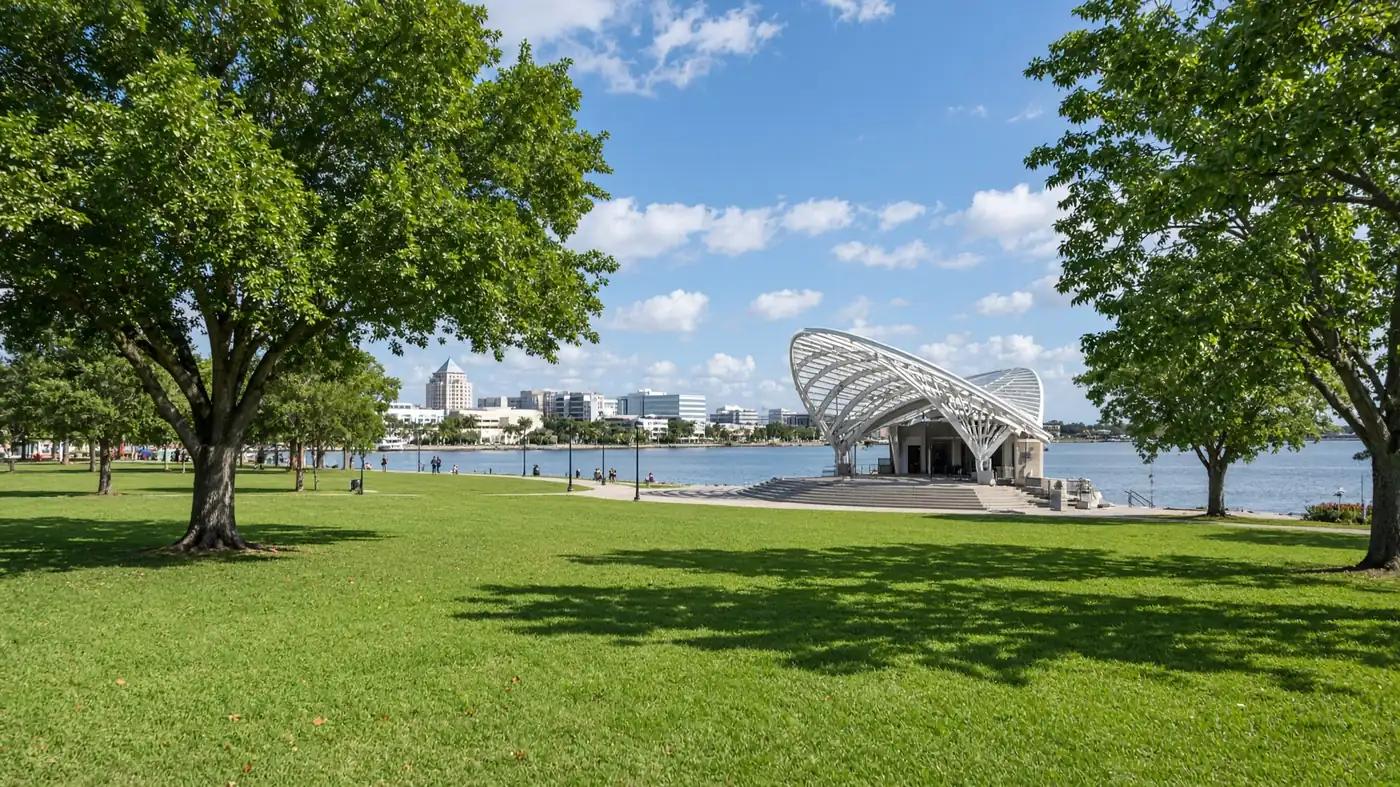
4. Downtown has a real waterfront amenity anchor

Coachman Park gives downtown Clearwater a large waterfront public space, events, recreation, and access to the waterfront area. See the City of Clearwater's Coachman Park information.

Downtown Clearwater should still be evaluated block by block for the kind of walkability you want. It is not the same restaurant-and-retail pattern as downtown St. Petersburg or Dunedin's Main Street.

5. Winter weather is a major lifestyle advantage

NOAA's 1991-2020 normals for nearby Tampa International Airport show the regional pattern clearly: mild winter daytime temperatures and hot summer highs around the low 90s. Clearwater's exact waterfront conditions differ from the airport station, but the practical takeaway is reliable: winter outdoor weather is a strength; summer heat, humidity, thunderstorms, and tropical-weather preparation are part of the trade.

6. You are buying into the larger Tampa Bay economy

Clearwater's employment story is not limited to jobs inside the city. The practical labor market includes the larger Tampa-St. Petersburg-Clearwater region. BLS metro data is the better frame than a generic list of "top employers."

For buyers who work remotely or within Pinellas, that regional position can be useful. For someone commuting into downtown Tampa five days a week, the bridge and peak-hour route can matter more than the distance on a map.

Clearwater cons: what changes the day-to-day

1. Hurricane preparation is part of homeownership

Storm preparation is not a reason by itself to avoid Clearwater, but it belongs in the budget and decision. Roof and window protection, evacuation planning, flood exposure, insurance deductibles, debris cleanup, and possible post-storm repair delays are real ownership considerations.

A well-chosen inland property and a low-elevation coastal property should not be treated as having the same risk.

2. Insurance can change what "affordable" means

A buyer can qualify for the mortgage and still decide the full monthly cost is unattractive once insurance and flood coverage are quoted. That is why I prefer to get insurance moving early rather than after the inspection period.

3. Clearwater Beach traffic is seasonal and route-constrained

The beach is connected to the mainland by causeway routes. Tourist demand, events, spring travel, beach weather, and incidents can all change travel time.

If you plan to live on the beach and work on the mainland, test that drive during the hours you will actually use it. Do not rely on the fastest map estimate from a quiet Tuesday morning.

4. Many mainland neighborhoods are still car-oriented

Clearwater has walkable pockets and beach/downtown destinations, but the city as a whole is not a place where every household can easily abandon a car. Groceries, work, schools, medical trips, and cross-county errands can require driving.

If car-optional living is a top priority, compare our most walkable Pinellas neighborhoods.

5. Older homes can need real systems work

Older mainland inventory can be attractive because of location, lot, or purchase price, but roof age, electrical panels, plumbing, HVAC, drainage, windows, and past permits matter to insurance and maintenance.

Do not let a remodeled kitchen substitute for a systems review.

6. A "cheap" condo can have expensive building math

Higher dues are not automatically bad and lower dues are not automatically good. An association that funds insurance, reserves, and capital work honestly may be healthier than a building with artificially low monthly fees and a large assessment coming.

The number to compare is purchase price + monthly dues + insurance + taxes + known capital obligations + likely near-term building work.

Commuting, traffic, and transportation

Clearwater is centrally located within Pinellas, but commute quality is address-specific.

For a mainland resident, Gulf-to-Bay Boulevard, US 19, local arterials, and connections toward I-275 shape the routine. For a Clearwater Beach resident, the bridge/causeway step is added before many mainland trips even begin.

PSTA operates bus service and coastal/trolley routes, including Jolley Trolley service in the Clearwater Beach corridor. See current PSTA trolley service. Transit can be useful for specific trips; it does not make all of Clearwater car-independent.

Before buying, test:

  • Home to workplace at the time you actually commute
  • Home to the airport if you travel often
  • Home to your usual grocery, medical, and recreation destinations
  • Beach-to-mainland travel on a busy weekend if you are considering the barrier island

A commute that looks fine at 11 a.m. can feel very different at 8 a.m. or during a peak beach weekend.

Tourism, seasonality, and everyday lifestyle

Tourism has two sides. Visit St. Pete-Clearwater reported 14.9 million visitors and more than $10 billion in economic impact in 2025, describing tourism as Pinellas County's leading economic driver. That demand supports restaurants, attractions, events, beach businesses, and hospitality employment. It also contributes to seasonal crowding and traffic in the places visitors use most.

Official tourism source: Visit St. Pete-Clearwater economic impact report.

For a homeowner, seasonality is less about whether Clearwater is "busy" in general and more about where you live. A mainland residential street can feel very different from Clearwater Beach during spring-break or high-season weekends.

Where to look based on your priorities and budget

This is the Fair Housing-safe way to narrow Clearwater: choose based on property, location, cost, and daily-use priorities, not on the demographics of who lives there.

Your priorityWhere I would startWhat I would verify immediately
Walk to the GulfClearwater Beach / Sand KeyPurchase price, association dues, flood/wind coverage, parking, building reserves
Boat or waterfront accessIsland Estates and other property-specific waterfront optionsFlood, seawall/dock condition, insurance, elevation, permits
Detached house and yardMainland ClearwaterRoof, systems, flood zone, commute, insurance
Lower purchase-price focusMainland Clearwater plus Largo comparisonTotal monthly cost, condition, commute, not just list price
Downtown waterfront events/park accessDowntown / Coachman Park areaBlock-level walkability, parking, building/HOA condition
Small compact downtown feelCompare Dunedin and Safety HarborInventory scarcity, price premium, exact walk radius
More urban downtown, arts, nightlifeCompare St. PetersburgCommute, price, condo/building costs, flood by address
Tampa-heavy daily commuteTest eastern/northern Pinellas and Tampa-side alternativesReal peak-hour route before choosing the beach

A budget is only useful when paired with ownership style

Under roughly $300K: I would expect attached product to dominate the first screen, but I would not buy a condo simply because it is the cheapest path. Pull the association documents and true monthly cost first.

$300K-$450K: The mainland becomes a broader search. This is where "house versus condo" can change the shortlist more than a neighborhood name.

$450K-$650K: You can often compare more mainland single-family inventory with better-located attached options. The right answer depends on whether you value yard/control or lock-and-leave maintenance.

$650K-$900K: Waterfront and beach-oriented options become more common, but the ownership-cost spread gets wider. Insurance, flood, association reserves, and building condition become bigger decision variables.

$900K+: Waterfront and premium coastal inventory widen, but higher price does not remove due diligence. Seawalls, docks, elevation, master insurance, reserves, and wind mitigation can matter more at this level.

Again, these are planning bands, not live-listing guarantees. If you give me a budget and monthly-cost ceiling, I can translate it into a current shortlist rather than a static blog table.

Clearwater vs. Dunedin, Safety Harbor, Largo, and St. Petersburg

Clearwater is not automatically the best Pinellas answer just because you want to be near Clearwater Beach.

Clearwater vs. Dunedin

Choose Clearwater when you want more housing-type variety, broader geography, and direct Clearwater Beach access. Compare Dunedin when a compact Main Street, Pinellas Trail access, and small downtown pattern matter more than being in Clearwater itself.

Dunedin inventory near the walkable core can carry a lifestyle premium, so "smaller city" does not automatically mean cheaper.

Clearwater vs. Safety Harbor

Safety Harbor can make sense when a compact downtown and east/north Pinellas positioning are high priorities. Clearwater gives you a wider inventory pool and easier access to its own beach/downtown destinations.

For either city, the 2026 Alligator Creek preliminary mapping is worth checking when the property falls in the affected watershed.

Clearwater vs. Largo

Largo is useful when central Pinellas access and purchase-price flexibility matter more than a beach-town identity. Depending on the property, Largo can offer a different balance between house size, lot, commute, and price.

Do not assume a Largo mailing address means no flood or insurance work. Address-level diligence still applies.

Clearwater vs. St. Petersburg

St. Petersburg is the stronger comparison if you want a denser urban downtown, a larger arts/nightlife core, and more concentrated walkability. Clearwater can fit better if your routine is centered farther north in Pinellas or if Clearwater Beach access is the priority.

For a deeper city comparison, see Living in Tampa vs. St. Petersburg and use the same framework: commute, total ownership cost, flood/insurance, and daily lifestyle.

Who Clearwater may suit

Clearwater belongs high on the shortlist when your priorities look like this:

  • You want Gulf access without requiring every day-to-day activity to happen on the beach.
  • You value a central Pinellas location.
  • You want the option to choose between detached homes, townhomes, condos, and waterfront property.
  • You are comfortable doing address-level insurance and flood diligence instead of treating coastal risk as one citywide number.
  • You can tolerate seasonal visitor traffic in exchange for beach amenities, restaurants, events, and tourism-supported services.
  • Your commute works from the specific side of Clearwater you are considering.

Who may prefer somewhere else

You may be happier looking beyond Clearwater when:

  • A dense urban downtown and nightlife are more important than Clearwater Beach access. Compare St. Petersburg.
  • A compact small-town-style Main Street is the priority. Compare Dunedin or Safety Harbor.
  • Your work requires a frequent, time-sensitive Tampa commute and you do not want bridge/traffic variability. Test east Pinellas or Tampa-side alternatives.
  • You want to minimize coastal flood and insurance complexity. Compare more inland properties, while still checking every address.
  • You dislike association governance and special-assessment risk but are only considering older beach condos. Widen the search to mainland single-family or townhome options.
  • You need true car-optional living and the Clearwater property is outside the beach or downtown pockets where your daily errands can work on foot.

That is the point of a relocation guide: not to convince every buyer Clearwater is "best," but to identify whether the city fits the way you actually intend to live.

Schools: verify the exact address

School assignment is property-specific. Avoid buying based on a neighborhood label, a portal score, or someone's memory of an old boundary.

Pinellas County Schools provides an official Zoned School Locator. Use the exact property address, and review current district information for assignment, application programs, transportation, and other details that matter to you.

This article does not rank neighborhoods by schools or resident demographics. The useful real-estate question is whether the exact property, commute, services, and district assignment meet your household's stated requirements.

Frequently asked questions

Is Clearwater, Florida a good place to live?

Yes, for many buyers, but the answer depends heavily on where in Clearwater you mean. Clearwater Beach offers a Gulf-oriented resort lifestyle with higher pricing, flood/insurance exposure, and more condo ownership. Mainland Clearwater offers more detached-home and price variety but is more car-oriented. Your budget, commute, property type, and tolerance for coastal ownership costs should decide the shortlist.

What are the biggest benefits of living in Clearwater?

The strongest benefits are Gulf access, mild winters, a central Pinellas location, broad housing variety, waterfront and park amenities, and access to the larger Tampa Bay economy. The benefit of "Clearwater" is choice: beach, waterfront, downtown, or mainland can all be part of the same search.

Is Clearwater expensive to live in?

It depends on the property type. Public 2026 market measures for Clearwater citywide sit roughly in the mid-$300,000s to low-$400,000s depending on methodology, while Clearwater Beach is materially higher. Purchase price is only part of the answer. Taxes, homeowners/wind/flood insurance, HOA or condo dues, and maintenance can create a large spread in monthly ownership cost.

Is it better to live on Clearwater Beach or the mainland?

Choose Clearwater Beach when direct Gulf access and walk-to-beach living justify a higher purchase price and more coastal/condo diligence. Choose mainland Clearwater when you want broader detached-home inventory, yards, easier mainland driving, or lower association exposure. Neither is universally better.

Does Clearwater flood?

Parts of Clearwater have meaningful mapped flood risk, but risk is address-specific. FEMA flood zones, evacuation zones, and storm-surge maps are different. Check the exact property with Pinellas County, the City of Clearwater, and FEMA, then obtain insurance information before the due-diligence deadline.

How much is homeowners insurance in Clearwater?

There is no responsible citywide number to use for an offer. Premiums depend on the structure, roof, openings, systems, coverage, occupancy, claims history, location, flood exposure, and insurer. Get property-specific homeowners, wind, and flood quotes.

Are Clearwater condos a good buy?

They can be, especially when you value low-maintenance or beach/waterfront living, but the building matters as much as the unit. Review dues, reserves, master insurance, milestone-inspection and SIRS status where applicable, special assessments, board minutes, and rental/parking/pet restrictions before deciding a low list price is a bargain.

What should I check before buying an older Clearwater condo?

At minimum: current budget, reserve balances, SIRS and milestone inspection status if applicable, pending assessments, master insurance/deductibles, recent board minutes, planned structural or mechanical work, rental restrictions, and the building's flood exposure. Florida DBPR is the authoritative starting point for statewide condominium requirements.

How are property taxes calculated after buying in Clearwater?

Do not assume the seller's tax bill will be your bill. Use the Pinellas County Property Appraiser's tax estimator with your expected purchase price and exemption assumptions, then confirm details with the appropriate tax professionals or county resources.

Is Clearwater a good place to commute from?

It can be if your routine is within Pinellas or your exact route is predictable. Tampa commutes and beach-to-mainland trips can be more variable because of bridge/causeway traffic. Test the actual route at your work hours before choosing a property.

Clearwater or Dunedin: which is better?

Clearwater usually offers broader housing inventory and direct access to Clearwater Beach. Dunedin may fit better if a compact Main Street and trail-oriented small downtown are higher priorities. Compare the exact home price, walk radius, commute, flood/insurance, and maintenance costs rather than choosing from city reputation alone.

What should I verify before making an offer in Clearwater?

For most buyers: recent comparable sales, property taxes after purchase, homeowners/wind/flood quotes, FEMA and evacuation zones, inspection/roof/systems condition, permit history, and the actual commute. For a condo, add association budget, reserves, master insurance, milestone/SIRS status if applicable, assessments, and use restrictions.

Use primary sources for rules and property-risk questions:

Practical takeaway

Clearwater can be a good place to live in 2026, but "Clearwater" is too broad to be a buying strategy. The right answer usually comes down to five things:

  1. Beach, waterfront, downtown, or mainland lifestyle.
  2. Condo versus single-family ownership.
  3. Total monthly cost after taxes, insurance, HOA/condo fees, and maintenance.
  4. Flood, storm, and building-specific diligence.
  5. Your actual commute and daily routine.

If those five line up, Clearwater deserves serious consideration. If they do not, nearby Dunedin, Safety Harbor, Largo, or St. Petersburg may be the better buy even when Clearwater was the city that started your search.

Tell me your budget and what you want from Clearwater. I will shortlist the areas and properties I would actually consider, including the tradeoffs I would flag before you spend a weekend touring the wrong inventory.

Related buyer guides: Clearwater Home Buying Guide 2026 · Clearwater Beach Real Estate 2026 · Pinellas Flood Zones 2026 · Most Walkable Pinellas Neighborhoods · Moving to Pinellas County · Clearwater short-term rental rules

Educational real-estate information only. Flood maps, insurance products, lender requirements, condominium requirements, association budgets, taxes, school assignments, transportation schedules, and local rules change. Verify the exact parcel and building with the applicable government agencies, insurer, lender, association, inspectors, and qualified legal, tax, insurance, engineering, or other professionals before making a purchase decision.

About the author

Troy Nowak
Troy Nowak

Broker Associate · Mangrove Bay Realty

Troy Nowak is a Broker Associate at Mangrove Bay Realty and a licensed Florida real estate broker. He owns and manages STR and furnished rentals in Pinellas County, has Airbnb Superhost/operator experience, and brings former institutional acquisition experience to local buyer and seller decisions. Before real estate, Troy spent a decade as a Pinellas County math teacher and the head varsity basketball coach at Dunedin High, so he knows the neighborhoods, school zones, and what makes Pinellas tick from a lived-in angle. 325+ closings since 2019, average $523K, every range from first-time buyers at $117K to luxury waterfront at $1.9M.

Broker Associate at Mangrove Bay Realty300+ homes sold in Tampa BayOwns and manages STR and furnished rentalsPinellas County rental ownerAirbnb Superhost/operator experienceFormer institutional acquisition experience
View full bio

Florida Licensed Broker · #BK3436609

Topics in this article

pinellas countyreal estatestrmarket trendshome buying

Keep exploring

Top related pages in this topic — ranked by relevance and search demand.

Contact