
Primary search match: Best condo buildings in St. Petersburg means a building shortlist plus real ownership cost (HOA, reserves, flood, parking), not a glossy brochure ranking.
Buying a downtown St. Pete condo in 2026? Start with real monthly cost, not lobby photos. Many resale 1- and 2-beds land roughly $280K to $650K. New towers and prime waterfront run higher. Shortlist buildings first (ONE, ICON, Park Tower, Saltaire, 400 Central, Bliss), then verify reserves, master insurance, parking, pets, and lease minimums before you book a flight.
Direct answer: The best downtown St. Petersburg condos for most buyers in 2026 are not the newest logo or the lowest list price. They are buildings where the HOA already funds insurance, elevators, and concrete work honestly, parking is clear in the docs, and rental rules match how you will actually use the unit. Out-of-state buyers should read documents and insurance before they tour. Local buyers should still model HOA plus taxes plus HO-6 like a second mortgage. On 33701 towers I price the HOA like a second mortgage before I care about the lobby art.
Quick filter
- Best fit: owner-occupants, second-home buyers, and long-term holders who want walkable 33701 living and can stomach building-level risk
- Typical resale band: about $280K to $650K for many 1- and 2-beds; luxury and new construction higher
- Biggest risk: artificially low HOA fees, thin reserves, old concrete or elevator projects, unclear master-insurance deductibles, special assessments
- Flood: diligence on the shortlist, not the first filter. Pair tower work with the flood zones hub and the Pinellas flood zones buyer guide
- Local help: request a downtown condo shortlist so we can screen building docs, parking, pets, and rental rules against your budget
If you are searching for downtown St. Petersburg condos for sale, this guide is the building-level filter I use with clients. It covers 2026 pricing, HOA and insurance pressure, a practical shortlist, parking and lifestyle tradeoffs, and the document stack I want before an offer. For citywide context, use the St. Petersburg market report. For insurance and water exposure, start at flood zones.
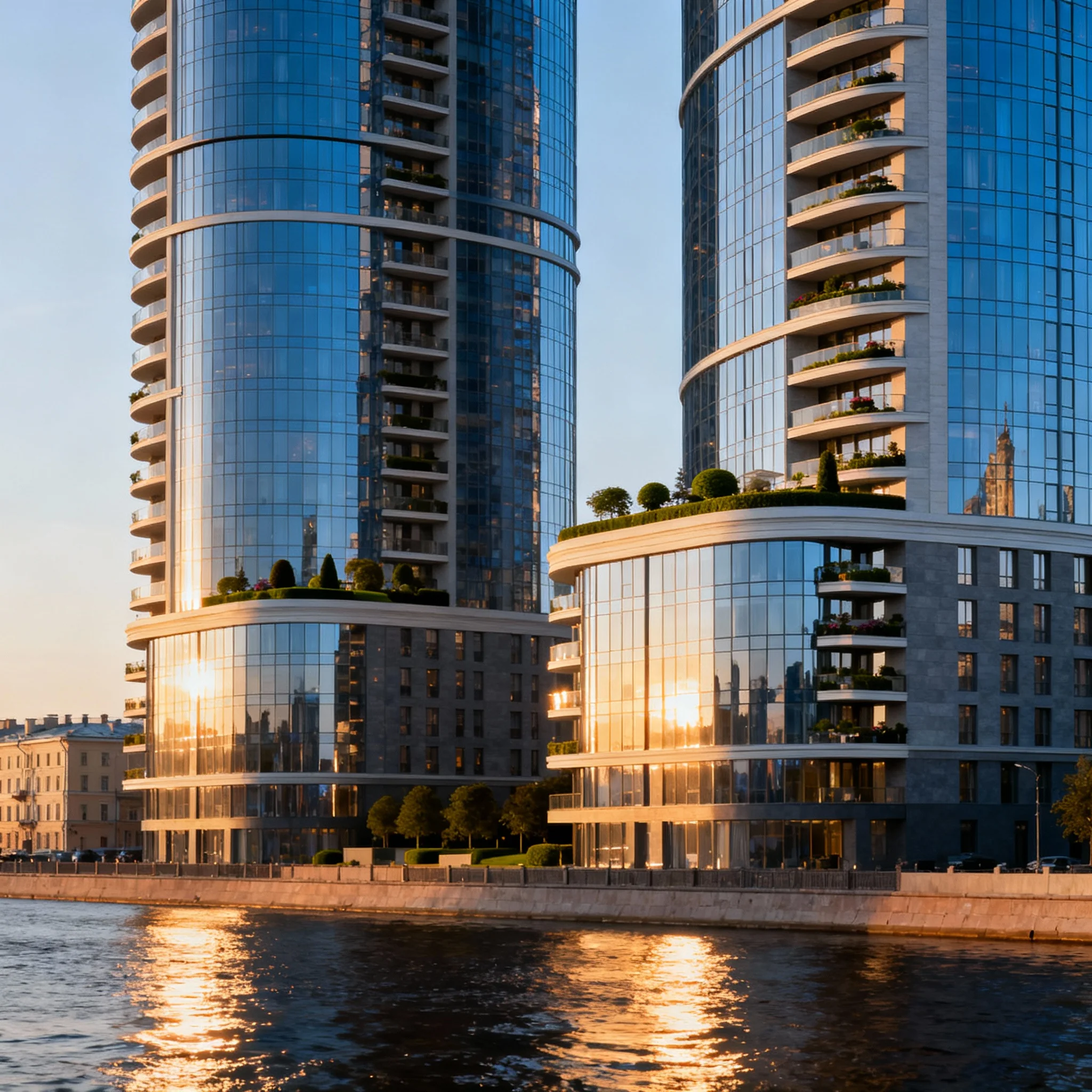
Address-level next step: Request a building shortlist, check rental posture on the Pinellas STR map, hold strategy in the investor guide, then run flood only after the shortlist via flood zones. Selling or comparing value later? Use home value as a separate tool, not a substitute for building docs.
Why condos softened while houses held better
Condos and single-family homes are not the same product in 2026. The gap is insurance, reserves, and total monthly cost more than views.
Insurance pressure. Florida homeowners premiums jumped hard from 2019 through 2023. Condos felt it twice: your HO-6 and the building master policy. When the master renews higher, the board usually raises dues. You cannot shop that layer away unit by unit.
Post-Surfside rules. Florida requires structural milestone work for older mid- and high-rises. Downtown St. Pete has dozens of buildings in the age and height band where inspections and repairs are real money. Catch-up work shows up as fee hikes or special assessments, sometimes five figures per unit when concrete or elevators pile up.
Demand math. A $400K condo with $450/month HOA can cost about the same monthly as a higher-priced house with no HOA. Plenty of buyers do that math and walk toward townhomes or single-family. That is why attached inventory can look "cheap" while still being expensive to own.
Reserves. Full-funding expectations mean buildings that waived or underfunded reserves for years now have to catch up. A low list price on a deferred-maintenance tower is often a transfer of risk to you.
That same pressure is where selective buyers win: well-run buildings with honest budgets and current inspection posture still trade. Underfunded buildings need deeper discounts and stronger stomachs.
New construction vs resale in 2026
Downtown condo inventory is two markets. New towers with modern systems. Resale buildings that need real document work.
New construction: higher entry, fewer deferred surprises
400 Central (46 stories, about 301 units)
- Move-in era through 2026
- Pricing often discussed from the high hundreds into multi-million for top inventory (roughly $850 to $1,200/sq ft in marketed bands; verify live comps)
- HOA often framed near $0.65 to $0.85/sq ft in public coverage ($600 to $900/month is a common ballpark for many plans)
- Advantage: modern envelope and systems; major capital projects are usually farther out if the first budgets hold
The Julia (boutique, fewer residences)
- High-end pricing and larger floor plans
- Targets buyers who want fewer neighbors and more exclusivity
- Rental flexibility can be more open than many towers (example: 30-day minimums up to a set number of times per year). Still verify the declaration on the unit you want. Most downtown high-rises lean 6- or 12-month minimums.
Marina Bay Residence (pipeline)
- Waterfront product with later completion timeline
- Pre-construction pricing can look attractive relative to finished core towers, but you are underwriting construction risk, HOA formation, and delivery timing
New product is not risk-free. First-year HOA budgets can be optimistic, amenities cost real money, and absorption of large towers changes how resale inventory competes. It is usually lower deferred-maintenance risk, not zero risk.
Resale: entry points if the building clears the paper
Median-style resale bands (downtown core, directional for 2026 shopping):
| Unit type | Rough resale band |
|---|---|
| Studio | $185K to $280K |
| 1-bedroom | $280K to $420K |
| 2-bedroom | $420K to $650K |
| 3-bedroom | $650K to $1.2M |
A unit that was $500K in a hotter year might list nearer $440K now. That only helps if reserves, insurance, and capital projects are clean.
Often cleaner resale story (still verify every year):
- ONE St. Petersburg (~2014): newer systems, often stronger reserve narrative
- ICON Central (~2007): management quality and completed capital work (roof is a common diligence topic)
- Park Tower (~2008): more stable fee story when reserves are real
Needs extra work or a hard pass without deep diligence:
- 30+ year buildings without recent major capital work
- Monthly fees that look too low for elevators, insurance, and waterfront exposure (under ~$300/month on a real tower is a yellow flag until explained)
- Reserves under roughly 10% of annual budget, or declining balances
- Special assessments above $10K in the last five years without a clear finished project
Building shortlist by buyer priority
| Buyer priority | Better fit | Watch closely |
|---|---|---|
| Lowest assessment risk | Newer towers with funded reserves and modern envelopes | Developer turnover timing and first-year HOA budgets |
| Walkability and restaurants | EDGE, Central Arts, Beach Drive-adjacent buildings | Parking costs, valet-only setups, short-term rental rules |
| Bay views and amenities | Waterfront high-rises with a larger owner base | Master insurance deductibles, elevator projects, seawall exposure |
| Value entry | Older resale west of the core | Milestone status, reserve catch-up, concrete restoration |
Shortlist rule: do not compare a $650/month HOA in a newer tower to a $425/month HOA in an older building until you know reserve funding, insurance deductibles, upcoming capital projects, and whether the lower fee is fake-cheap.
Best condo buildings in St. Petersburg (2026 shortlist)
This is a starting shortlist, not a scoreboard. Fees, rental minimums, and reserve health change by building and year. Confirm estoppel, reserve study, and master policy on the unit you want.
| Building | Era / notes | HOA band (typical) | STR / lease min (verify) |
|---|---|---|---|
| ONE St. Petersburg | ~2014; modern systems, often strong reserves | Mid-to-high tower fees | Usually longer lease min; not a nightly play |
| ICON Central | ~2007; roof work already a diligence topic | Mid tower fees | Docs control; often 6 to 12 months |
| Park Tower | ~2008; steadier fee story when reserves are real | Mid | Confirm lease and guest rules |
| Saltaire | Newer tower / lifestyle product | Higher amenity fees | Strict rental rules common |
| 400 Central | New 46-story product; move-in era pricing | High ($0.65 to $0.85/sf range discussed above) | New-construction lease rules; verify |
| Bliss | Tower product near the walkable core | Mid-to-high | Docs + HOA minutes before offer |
Shortlist filter: if HOA looks cheap for a waterfront tower, assume deferred work until the reserve study proves otherwise. Want the list narrowed to budget, pets, and parking? Contact us.
For lifestyle demand that supports resale, pair this table with top walkable areas in Pinellas. Downtown scores high on car-optional living; the walkability post shows how 33701 stacks against other Pinellas pockets.
Real cost of ownership: past the purchase price
Sample monthly stack
Scenario: $450K condo, 20% down, about 7% mortgage rate (illustrative; rates move)
| Expense | Monthly cost |
|---|---|
| Mortgage (principal + interest) | ~$2,394 |
| HOA fees | $450 |
| Property taxes | ~$450 |
| HO-6 insurance | ~$125 |
| Parking (if not included) | $150 |
| Pet fee (if applicable) | $50 |
| Total monthly | ~$3,619 |
That same monthly payment can buy a higher-priced single-family home with no HOA and no special assessment path. Whether that trade is "better" depends on whether you value elevators and Beach Drive more than a yard and simpler ownership.
Costs buyers still miss
Special assessments. Some Florida owners have paid five figures over a couple of years when insurance, concrete, or elevators hit. Local older complexes have seen assessments that effectively double the monthly pain for a stretch. Ask for board minutes and any open capital projects, not just the listing agent's summary.
Insurance volatility. Master policy spikes land in HOA dues. A 40% master renewal can become an overnight dues increase you cannot shop.
Reserve catch-up. Buildings that waived full funding are still working through catch-up. One-time hits of $15K to $50K per unit still show up in older stock when roof, HVAC, or structure comes due without cash on hand.
Rental rules. Many downtown condos ban short-term stays or require 6 to 12 month leases. If income matters, read St. Pete STR rules and the short-term rentals hub before you underwrite nights.
HOA, flood, insurance, and milestone matrix
| Risk | What it means | Verify before offer |
|---|---|---|
| HOA fee shock | Master insurance, reserves, elevators, and labor can reset dues fast | Current budget, prior two years, board-approved increases |
| Flood exposure | Parking, lobby, storage, and mechanical floors may flood even when the unit is high | FEMA zone, elevation certificate, claims history, where critical systems sit |
| Master deductible | Large wind or named-storm deductible can become a special assessment after a claim | Deductible amount, per-building vs per-occurrence, loss assessment coverage on your HO-6 |
| Milestone inspection | Older buildings face structural inspection and reserve pressure | Phase 1/2 status, repair scope, engineer letters, funding plan |
| Deferred concrete | Balconies, garages, waterproofing, rebar | Engineering reports, bids, board minutes on restoration |
The cheapest monthly HOA is rarely the safest number. The safer building usually already priced insurance, reserves, and structure honestly.
Parking, pets, storage: the lifestyle diligence stack
Tower listings sell views. Closings stall on parking ratios, guest policies, and pet rules.
Parking
- Ask whether the deeded space is included in the price or a separate transfer
- Confirm second-car costs ($100 to $300/month is common when allowed at all)
- Valet-only buildings change daily life if you hate waiting for keys
- EV charging, guest spaces, and height limits for trucks matter more than brochure photos
Pets
- Weight and breed limits are common
- Extra monthly fees and deposits show up late if you do not ask
- Service animal rules differ from pet rules; get the declaration language
Storage and bikes
- Limited cages and bike rooms fill up; do not assume a free cage with every unit
- Hurricane prep needs real storage if you keep outdoor gear
Noise and hours
- Beach Drive and Central Avenue energy is a feature until you work early mornings
- Visit Friday and Saturday night before you write an offer on a lower-floor unit facing entertainment corridors
If the lifestyle is the reason you want downtown, keep the walkability guide open while you shortlist. If parking math breaks the deal, a mid-rise EDGE loft can beat a waterfront tower for some buyers even when the view loses.
Buying a downtown St. Pete condo from out of state
Remote buyers lose money when they tour first and read documents second. Before you fly in:
- Budget and use case on paper. Owner-occupy, second home, or hold. Model total monthly cost (mortgage + HOA + taxes + HO-6 + parking), not list price alone.
- Building shortlist of 3 to 5. Clear reserves and lease rules first. Skip Instagram-only buildings.
- Docs before tour. Reserve study, last 12 months of board minutes, budget, master policy summary, recent estoppel if available.
- Insurance stack. Master deductibles + your HO-6. Ask what flood sits at association vs unit level. Use flood zones and the flood zones blog guide.
- Rental reality. Most downtown buildings are not daily Airbnb. If income matters, read short-term rentals and the investor guide before you model nights.
- One focused trip. Tour only buildings that already passed paper. We can stage a one- or two-day walk-through: request a shortlist.
Out-of-state also means title, insurance, and HOA estoppel timing. Build buffer days. Cash deals still need the same building review; all-cash does not fix a failing reserve study.
Critical due diligence checklist
Florida condo deals need more paper than a typical house purchase.
Must-review documents
1. Reserve study (recent enough to matter)
- Healthy-ish signal: roughly 10% to 15% of annual budget as a starting conversation, plus a plan for big line items
- Red flag: reserves below ~5%, or balances falling while big projects age in
- Critical items: roof, elevator, HVAC, seawall, parking structure, waterproofing
How I read a St. Pete reserve study
- Match the study date to current board minutes (old studies lie about healthy reserves)
- Compare cash on hand to the next five years of roof, elevator, concrete, and waterproofing
- Flag full-funding claims that still show major capital needs with no cash plan
- Ask delinquency rates and whether a special assessment is already voted
- Treat artificially low HOA fees as a red flag until budget and study explain them
2. HOA minutes (last 12 months)
- Look for special assessments, insurance renewals, deferred maintenance
- Red flag: emergency meetings, lawsuits, vendor churn
- Green flag: proactive capital planning and stable vendors
3. Financial statements
- Assets, liabilities, receivables (unpaid fees)
- Red flag: high delinquency (roughly >5% of units behind)
- Red flag: operating deficits or borrowing for routine expenses
4. Structural / milestone reports (older buildings)
- Phase 1 and Phase 2 status where required
- Deal-breaker: major structural issues without a funded repair plan
5. Insurance
- Master policy adequacy (not bare bones to save dues this year)
- HO-6 loss assessment coverage
- Wind and flood: association layer vs your unit responsibility
Red flags that should pause the deal
- Special assessments over ~$25K announced or under discussion without a clear end date
- Lawsuits against the association or unresolved legal issues
- Insurance lapses or major carrier non-renewals
- Visible deferred maintenance (water stains, rust, cracks, peeling coatings)
- Dues up more than ~15% in two years with no matching capital story
- Reserve study showing a major capital need inside 3 to 5 years with no funding path
Neighborhoods where downtown condos cluster
EDGE District
Industrial-chic blocks, breweries, adaptive reuse. Lofts and mid-rises. Rough prices often $280K to $650K with HOA commonly $250 to $450/month when you are not in full tower amenity land. Fits buyers who want urban living without concierge-level dues. Engine No. 9 Lofts is a known conversion example.
Central Arts District
Museum and gallery access (Dali, Chihuly, galleries). Mixed-use mid-rises. Rough prices $320K to $850K; HOA often $300 to $550/month. Visit at night if ground-floor commercial noise is a concern.
Waterfront high-rise corridor
Bayshore and Beach Drive towers (400 Central, ONE, Salvador, Florencia, and peers). Rough prices $500K to $3.5M; HOA often $600 to $1,200/month. Amenities and views drive the number. Higher dues can mean better-funded operations, but they also crush cash flow if you hoped to "cheap out" on ownership costs.
Is 2026 still a buyer window?
You still get more room than the frenzy years on a lot of resale inventory, with caveats.
Why buyers still have leverage on many towers
- Condo prices corrected more than many single-family pockets
- New construction (400 Central and peers) adds supply competition
- Sellers still offer credits and fee help on stale listings
- Days on market often stretch into the 45 to 60 day range versus the sub-30 day sprint years
Why the window can tighten
- Large new towers absorb and then resale can tighten again
- If rates drop hard, demand can return fast
- If insurance stabilizes, dues growth slows and prices can firm
- Buildings that finish reserve catch-up look more "buyable" and compete harder
Strategy still depends on the building, not the macro headline. Pair this post with the Tampa Bay market overview if you are comparing counties.
Financing condos in 2026
Condo certification. Lenders want Fannie/Freddie-friendly buildings. Investor concentration, delinquencies, and litigation can push a building non-warrantable. Portfolio lenders exist at higher rates.
Down payment. Often 10% to 20% for primary when the building qualifies; investment purchases commonly 20% to 25%+.
Appraisal. New construction can lean on builder comps. Resale appraisals can take special assessments into account. High HOA fees affect affordability tests.
Insurance. HO-6 before closing. Master policy must meet lender standards. Lapsed building insurance can kill the loan.
Cash. A large share of downtown deals still close cash, especially investors. Cash skips some lender building rules. It does not skip the need to read the reserve study.
For first-time buyer programs and broader Pinellas process, see the Clearwater / Pinellas home buying guide. For a quick value check on what you already own elsewhere, home value is a starting tool only.
Living downtown after closing
Walkability. Walk Scores in the mid-90s are common in the core. Publix and Whole Foods are close for many towers. Trolley and buses reduce car need. Some households drop a second car and save hundreds a month.
Culture. Museums, Mahaffey, galleries, EDGE music and beer, Saturday Morning Market energy.
Dining. Dense restaurant and Beach Drive inventory. Noise is real. Tour at peak hours.
Tradeoffs. Balconies instead of yards. Parking fees. Pet limits. Shared walls and elevators.
Compared with Clearwater Beach tourism product, downtown St. Pete behaves more like a residential urban core. Compared with car-heavy suburban Pinellas, it wins on errands on foot and loses on private outdoor space. The walkability post is the right companion if lifestyle is half the purchase decision.
Frequently asked questions
What is the median condo price in downtown St. Petersburg in 2026?
Resale medians for many downtown units cluster roughly in the mid-$400Ks to mid-$500Ks depending on building and month, with new construction towers often starting higher (commonly $700K+ for marketed new inventory). Expect meaningful HOA dues on top. Price alone is not the deal; total monthly cost is.
Are downtown St. Pete condos a good investment in 2026?
For owner-occupants and long-term holders who clear building risk: often yes, with eyes open. For quick flips: usually no. For STR investors: most downtown buildings are not nightly-friendly. Verify HOA lease rules and city rules via short-term rentals and the investor guide.
What are the best downtown St. Pete condo buildings to buy in 2026?
Buildings that combine explainable HOA fees, healthy reserves, completed or funded capital work, and walkability near Beach Drive / the Pier. Frequently shortlisted: ONE, Saltaire, 400 Central (new), Bliss, Signature Place, ICON, Park Tower. Pre-2010 stock with deferred work needs a deeper discount and cleaner paper. Pull estoppel and reserve study before any offer.
How does insurance work on a downtown St. Pete condo?
Two layers: building master policy (inside HOA dues) and your HO-6 (interior, contents, liability, and often loss assessment). Master premiums rose hard after 2019 and show up in dues. Flood coverage for AE and similar zones still matters for many waterfront towers. Start with flood zones.
Will Florida reserve and milestone rules affect downtown towers?
Yes. Full reserve expectations and milestone inspections push older buildings to fund work they deferred. In 2026 that still means rising dues or assessments on some towers. Always request the latest reserve study and inspection report before closing.
Condos vs townhouses in St. Pete
Condos share building systems, amenities, and association risk. Townhouses are attached product with more ground-floor control and usually lower dues, but fewer tower amenities. Compare monthly cost and lifestyle, not only list price. Citywide segment context sits in the St. Petersburg market report.
Get a shortlist that already passed the math
If you want a curated downtown St. Pete condo list, start with buildings that have clear reserve posture, explainable HOA fees, clear parking, and manageable insurance exposure. Mangrove Bay Realty can narrow to units where monthly cost, building documents, flood profile, pets, rental rules, and resale liquidity make sense before you burn weekends on the wrong inventory.
Next step: Request a downtown St. Pete condo shortlist with budget, parking needs, pet needs, and preferred walk zone. I will send buildings I would actually consider and the first documents to pull on each.
Practical takeaway
Early 2026 still gives many downtown St. Pete condo buyers more room than the frenzy years: prices are off peak on a lot of resale, new inventory competes, and days on market are longer. That only helps if reserves, master insurance, parking, and rental rules survive a real document review.
Shortlist buildings with honest budgets and current inspection posture. Skip the ones that look cheap because the HOA is underfunded. If you want a second set of eyes, send target buildings and budget through contact. Selling something else to fund the move? Start a home value check in parallel, then put the condo through the same HOA filter.