From Troy
Have a question about this?
Troy answers personally — usually within the hour.
Last Updated: October 9, 2025
Navigating the world of short-term rentals in Pinellas County can be tricky, especially when it comes to understanding local regulations and HOA policies. This guide provides comprehensive information on where you can legally operate a short-term rental in St. Petersburg, Gulfport, and St. Pete Beach, including zoning laws, compliance requirements, and specific condo regulations.
Pinellas County Zoning Rules for Short-Term Rentals
For more information, see the Pinellas County Government website.
🏡 We practice what we preach. We operate licensed short-term rentals across Tampa Bay including Downtown St. Pete Radiant Retreat, Clearwater Coastal Oasis, Dunedin Duo, and Seminole Serenity by the Sea. If you want to see what a fully-compliant Pinellas STR actually looks like in operation, check the listings — and reach out if you want to talk through your own STR strategy.
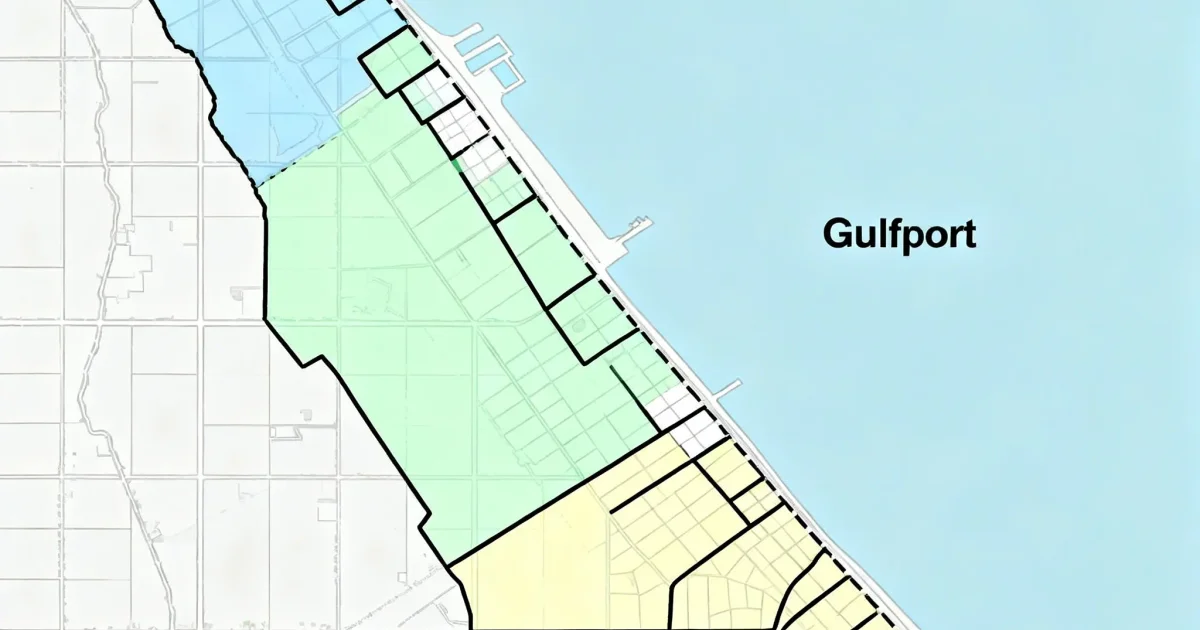
Understanding the Pinellas County Zoning Map
If you're considering investing in short-term rentals in Pinellas County, understanding the local zoning regulations is crucial. The map above shows areas that allow daily rentals in color. Please note that these areas may still have deed or HOA restrictions, but daily rentals are allowed if the neighborhood does not have these restrictions.
Why Zoning Rules Matter in Pinellas County
Operating a non-compliant short-term rental in Pinellas County can be risky. A single complaint from a neighbor could jeopardize your entire rental income. Make sure your property can also generate income as a long-term rental should short-term rentals become unfeasible.
Navigating Condo Regulations in St. Petersburg and St. Pete Beach
Finding condos that allow Airbnb and daily rentals in St. Petersburg and St. Pete Beach can be challenging due to varying HOA rules and local regulations. Here's what you need to know:
St. Petersburg Regulations
The City of St. Petersburg regulates short-term rentals through specific ordinances:
-
Primary Residence Requirement: Most condos require the unit to be your primary residence. Check with the HOA to confirm.
-
Minimum Stay: Typically 7+ days for non-primary residence rentals, if allowed at all.
-
Registration: Required for all short-term rentals through the Florida Department of Business and Professional Regulation (DBPR).
-
Occupancy Limits: Usually 2 people per bedroom + 2 additional guests.
-
Local Business Tax Receipt (BTR): Required to operate legally. Contact the city of St. Petersburg for more information.
St. Pete Beach Regulations
St. Pete Beach has distinct regulations from St. Petersburg:
-
Zoning Restrictions: Varies by specific area and building. Check with the city of St. Pete Beach planning and zoning department for the most current information.
-
HOA Approval: Must comply with individual condo association rules enforced by Pinellas County. Always review the HOA documents before making an offer on a property.
-
Business License: Required for commercial rental operations. Contact the city of St. Pete Beach for information on obtaining a business license.
Condo Communities That Allow Short Term Rentals (Examples)
Note: Regulations change frequently. Always verify the latest information with the HOA and relevant city authorities before purchasing.
This section will include a list of example Condo Communities. (Example format: Community Name: Specifics on their short-term rental policy and any limitations.)
Key Takeaways for Short-Term Rental Investments in Pinellas County
-
Due Diligence is Key: Thoroughly research zoning laws, HOA restrictions, and city ordinances before investing.
-
Compliance is Crucial: Register your rental with the DBPR and obtain all necessary licenses and permits.
-
HOA Rules are Binding: Understand and adhere to the specific rules of your condo association.
-
Consider Professional Management: A property manager can help you navigate regulations and manage your rental effectively.
-
Plan for Contingencies: Ensure your property can generate income as a long-term rental if short-term rentals become restricted.
By understanding the rules and regulations, you can make informed decisions and increase your chances of success in the Pinellas County short-term rental market.
Related Resources
Explore more helpful guides:
- Pinellas County Short-Term Rental Regulations: Complete 2025 Compliance Guide
- Are Short-Term Rentals Allowed In Clearwater Florida?
- The Top Five Areas For Walkability In Pinellas County
Ready to Get Started?
Download Our STR Regulations Guide - Contact Us for Permitting Assistance
Need personalized assistance? Contact Mangrove Bay Realty today for expert guidance on Where Can You Legally Run A Short-term Rental In St. Petersburg, Gulfport, and St. Pete Beach.
About the Author
Troy NowakLicensed Florida Real Estate Broker | Mangrove Bay Realty LLC
Troy Nowak is a licensed Florida real estate broker and the owner-operator of Mangrove Bay Realty LLC, specializing in short-term rentals and land investments across Central Florida. With a remarkable record of over 400 homes sold in the last five years, Troy combines deep market expertise with hands-on property management to deliver outstanding results for his clients and guests alike.
Connect with Troy:
Zillow ProfileRealtor.comGoogle My BusinessLinkedInView Full Profile
Tags
st petersburgshort term rentalsairbnbgulfport
Share this article
FacebookX (Twitter)LinkedIn
Related Articles
Continue exploring real estate insights and market trends
📝Investment
Pinellas County Short-Term Rental Regulations: Complete 2025 Compliance Guide
Complete guide to Pinellas County short-term rental regulations, compliance requirements, inspections, and legal framework for STR operators in 2025.
Read Article📝Investment
Are Short-Term Rentals Allowed In Clearwater Florida?
Comprehensive Are Short-Term Rentals Allowed In Clearwater Florida? guide. Legal requirements, compliance tips, and investment strategies for Tampa Bay prope...
Read Article📝Investment
The Top Five Areas For Walkability In Pinellas County
Explore the top 5 most walkable neighborhoods in Pinellas County Florida. Walk scores, amenities, shops, parks, transit. Live car-free in Tampa Bay!
Read ArticleView All Articles
Related guides: Clearwater Beach Market Analysis · St. Petersburg Real Estate Trends
Want to Invest in Short-Term Rentals?
Troy Nowak owns and operates 3 vacation rental properties in Pinellas County. He understands the numbers: acquisition, pricing, operations, and returns.
Ready to take the next step?
📞 Call Troy directly: (727) 625-1777 — Available 24/7 for urgent matters
📧 Email Troy: troynowakrealty@gmail.com
🤝 Looking to buy or sell? Meet the Mangrove Bay team →
🏡 Visiting Tampa Bay? We also operate four boutique vacation rentals in Pinellas County — Downtown St. Pete Radiant Retreat, Dunedin Duo, Clearwater Coastal Oasis, and Seminole Serenity. Direct booking, best-rate guarantee. See all rentals.
Talk to Troy
Have a question about what you just read?
Licensed Florida broker. He answers his own phone — no bots, no call centers.
Free consultation · No obligation · Same-day response